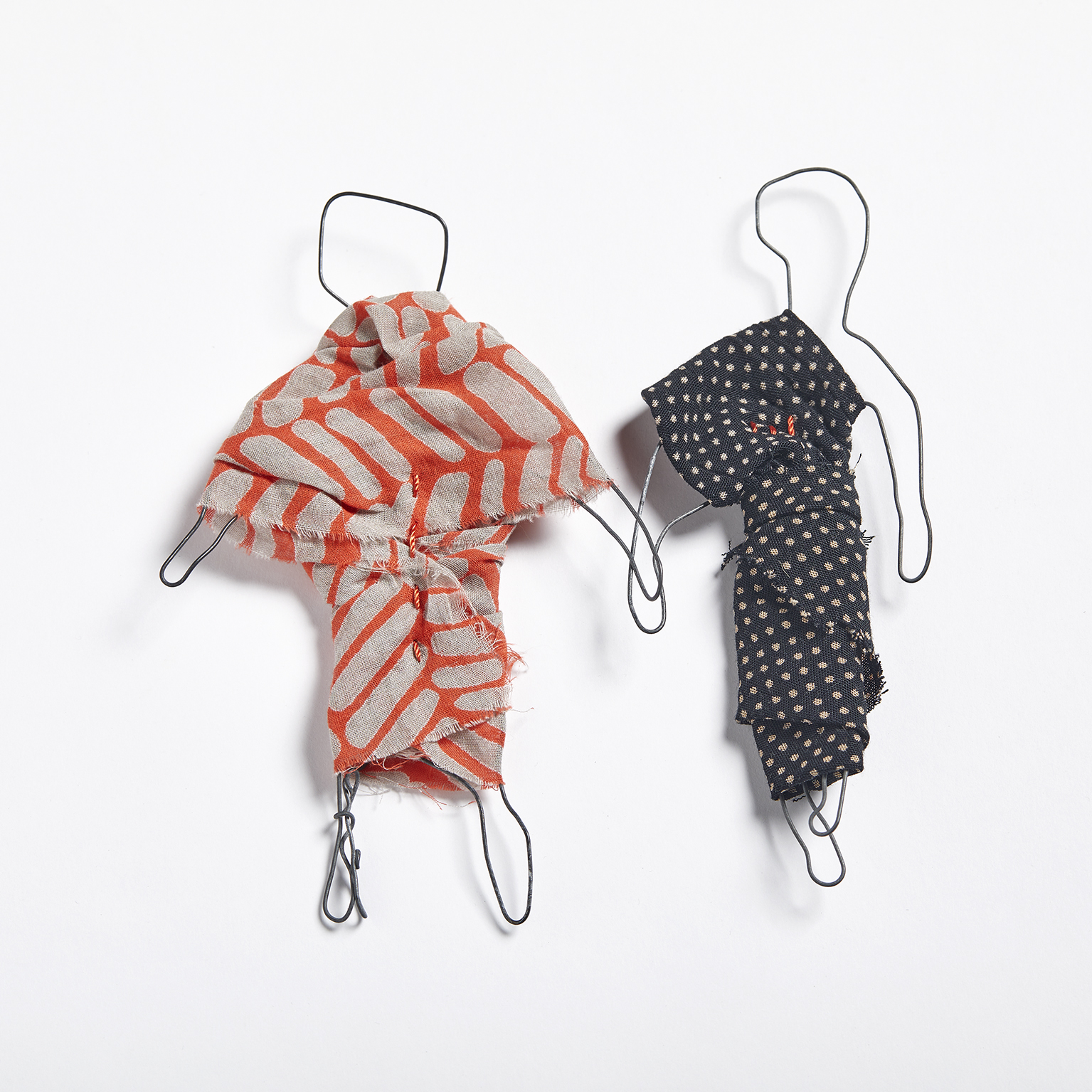
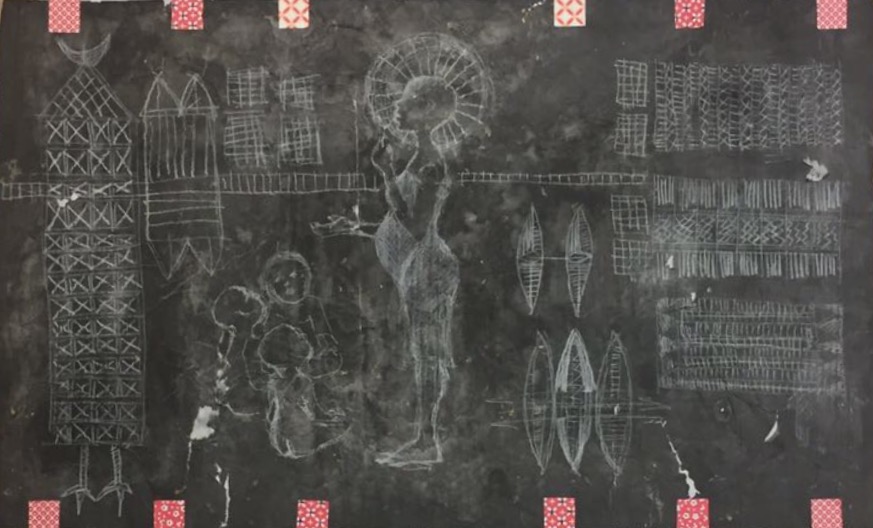
1 / Chronicles – the work was displayed in the exhibition -“Craft of Disappearance”
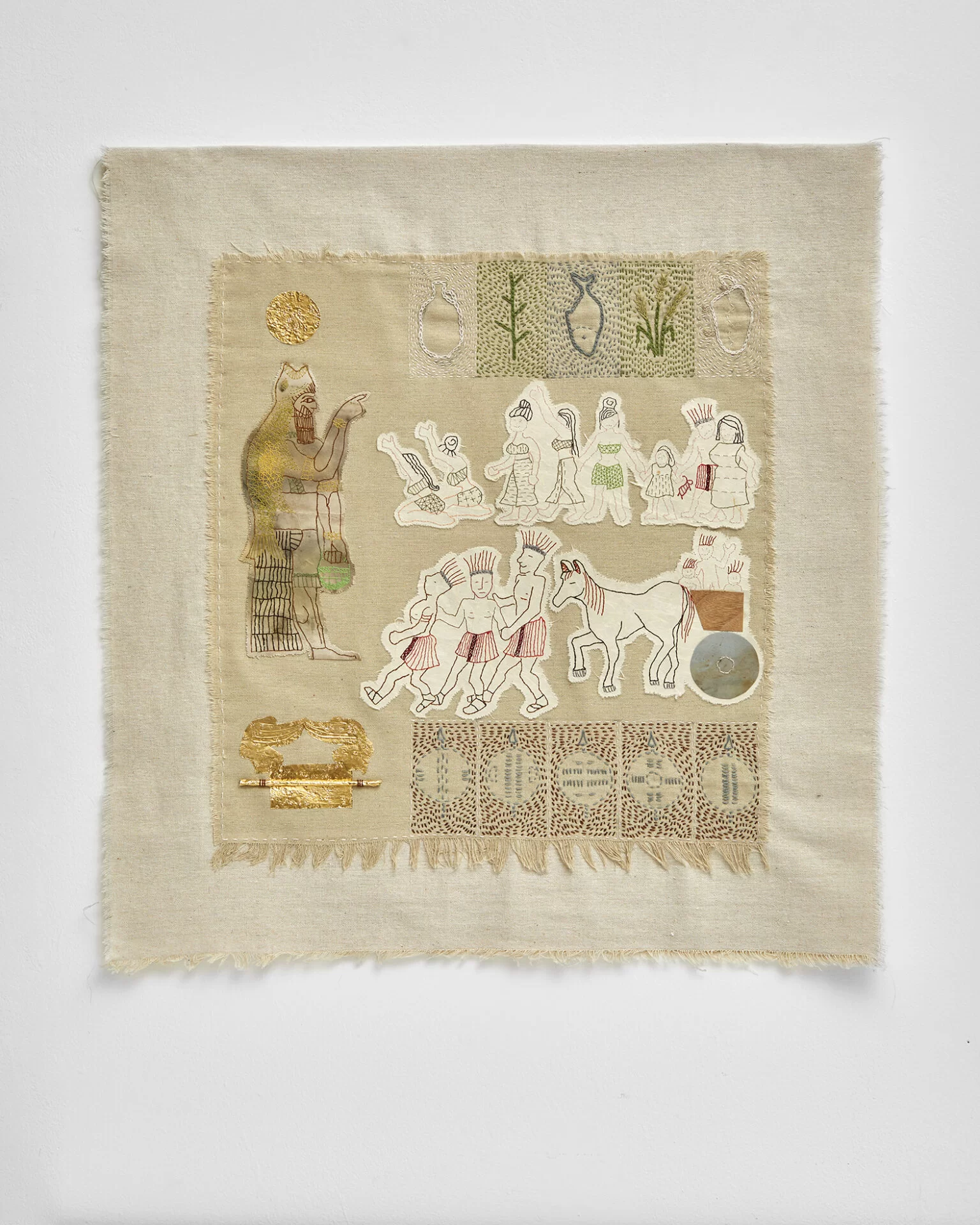
I learned what is known about the Philistines from sources outside the Bible through the research study The Philistines and Their Material Culture by Trude Dothan, published in 1967. This information relies primarily on Egyptian sources—partly on papyri, but largely on depictions found in ancient reliefs. The “Sea Peoples”—the name given to the Philistines in these sources—served as mercenaries in the Egyptian army during a certain period. Detailed relief depictions of historical events from the reign of Ramses III—showing captives as well as battles at sea and on land—allow us to study their combat methods, weaponry, and attire. The description included: “a shirt worn beneath the armor, a broad belt around the waist, and a skirt hanging from it, decorated with borders and tassels. Their headdresses—worn perhaps over a leather skullcap—consisted of a band adorned with rows of round, elongated projections. The band was likely made of metal, and into it were inserted feathers forming a sort of crest. The back of the neck was protected by horizontal straps, apparently made of leather; in some instances, the uppermost straps passed around the forehead beneath the metal band.” From these fascinating details, I could infer that special attention was paid to the warriors’ attire, reflecting an awareness of bodily mobility and the need to protect sensitive, vulnerable areas.
Were these unique uniforms worn specifically before a major battle, or was this their standard garb—such that the artist who carved the reliefs assumed this outfit would clearly identify the Philistines and serve as a distinguishing mark? The carvings suggest that Philistine warriors wore short skirts adorned with tassels. All these details point to knowledge and skill in spinning, weaving, and sewing. In any case, it appears that—as was common in many cultures—the warriors made a special effort to cut a fine figure. I also encountered a 1967 study by Benjamin Mazar regarding a Philistine seal discovered at Tel Qasile and dated to the 11th century BCE. The seal—measuring approximately 15.5 cm in length with a base width of 12.5 cm—is decorated on all sides, with a decorative style drawing inspiration from Egypt and Eastern Mediterranean cultures.
As previously noted, most of our knowledge regarding the Philistine presence in Ashdod stems from Egyptian sources. This is complemented by documents found in the archives of Ugarit (in present-day northern Syria), which reveal that Ashdod was a hub of extensive trade activity; the documents cite the city as a major trading post that engaged in commerce with overseas nations—information that helps explain the origins of the influences on its design aesthetic.
The god Dagon—depicted as half-human and half-fish—was the central deity of Philistine culture, presiding over grain, agriculture, and the fish of the rivers and sea. Ranked third in importance after El and Baal, he was one of the region’s most significant deities of the era, with Ashdod serving as his primary cult center. He was the god to whom sacrifices were offered, praises sung, and thanks given; from him, the people derived life and strength, making his presence in the historical record essential.
Tales of heroism—in battle and conquest… …amidst the challenges of the sea, their wars with neighboring tribes, and battles against the kings of the lands they fought and conquered—but also amidst the destruction, ruin, and horrors they endured as a people and a culture. Some of these events are well known to us: the story of the victory over the Israelite tribes and the seizure of the Holy of Holies—the Ark of the Covenant—as spoils to be brought to the Temple of Dagon in Ashdod; the tales of Samson and his superhuman strength; and the traumatic defeat of their greatest warrior, Goliath, by the young David of the Tribe of Judah. These are parts of our regional history, yet they are not recounted from the perspective of the Philistines themselves.
But how did the Philistines tell their own story? How did they chronicle their history? How were the tales that forged their myth and legacy for future generations passed down? What sights greeted Philistine infants at birth?
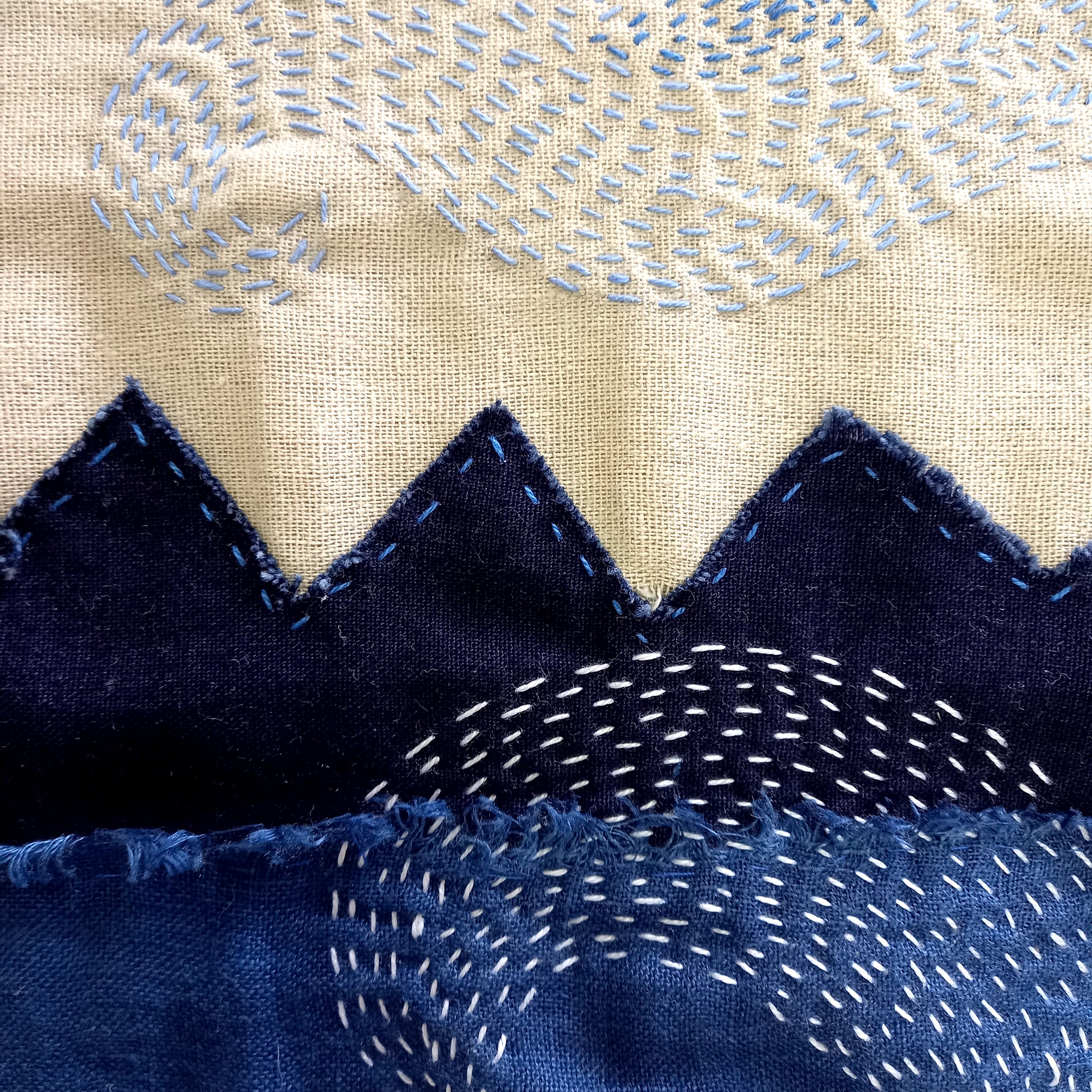
In this series of textile panels, I present a possible record of Philistine history—going beyond their function as “transitional objects” used to wrap and safeguard valuables for a hasty departure. I envisioned them hanging on the walls of the home, evoking the culture and folklore for all its inhabitants.
The series consists of five panels, each measuring 75 x 65 cm:
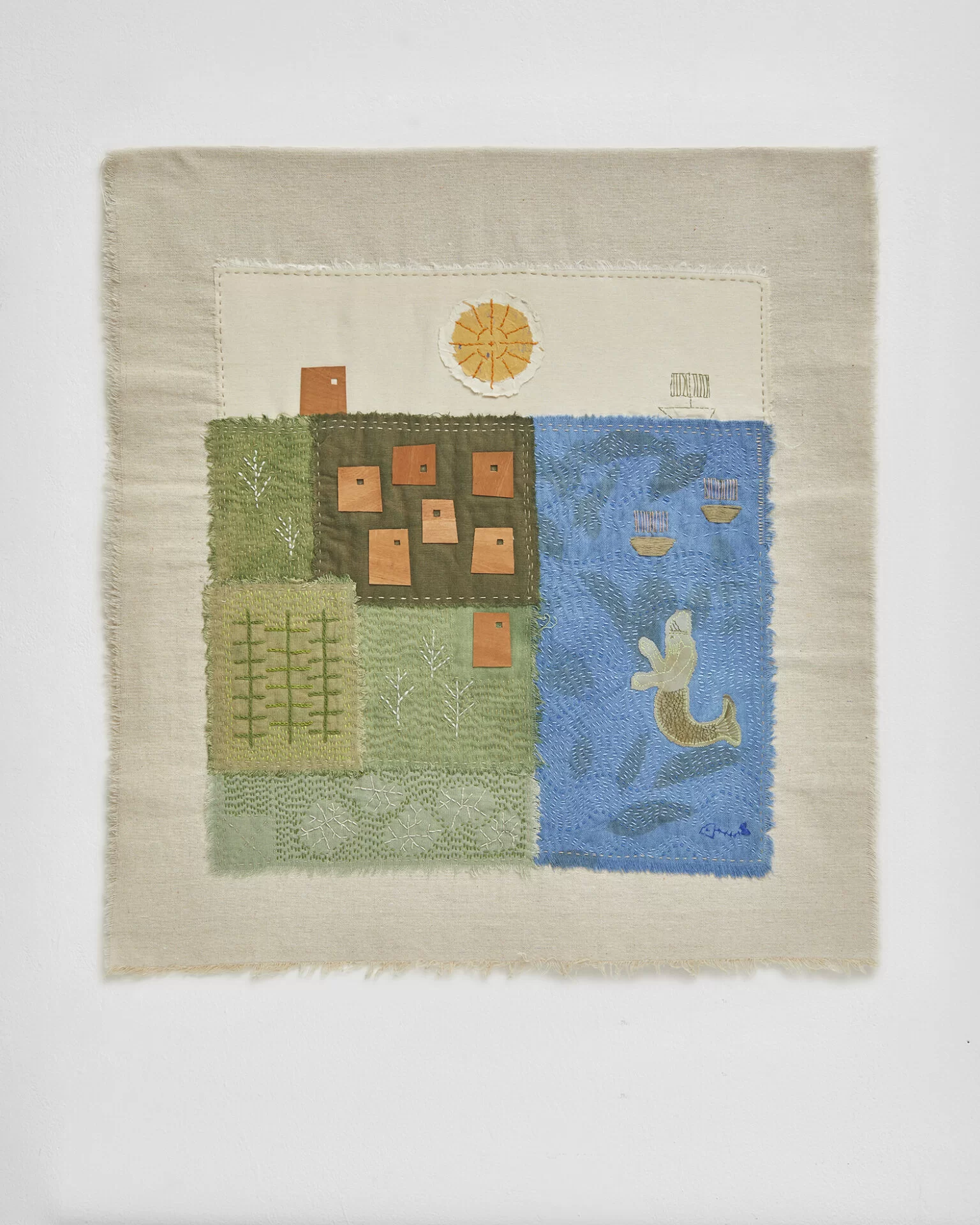
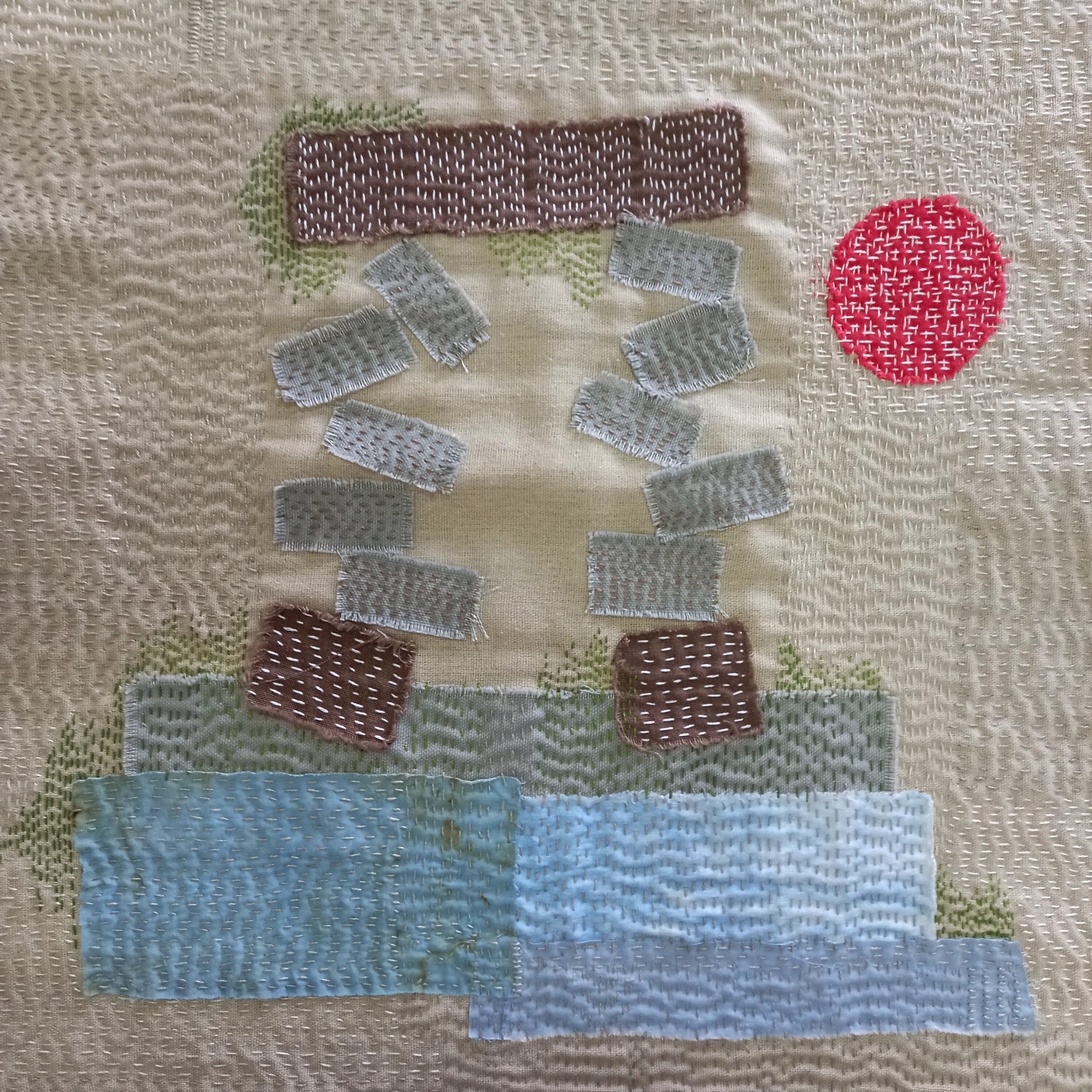
The Order of the Inner World – a depiction of the forces driving the Philistine world; The significant role of the sea, agriculture, permanent architecture, and the centrality of the god Dagon (Earth element).
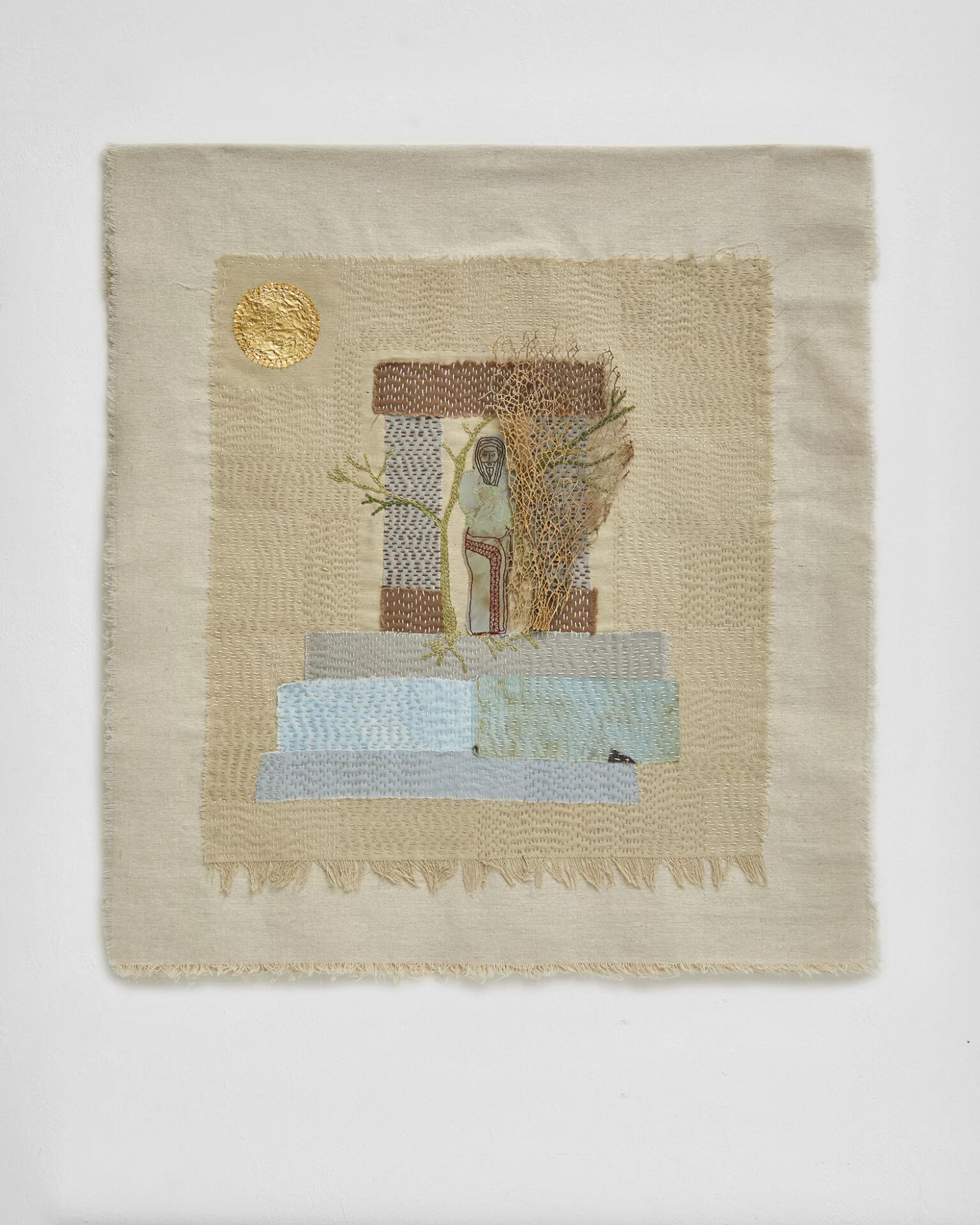
The Temple of Dagon – the significance of its central role in the growth of daily life (Wood element).
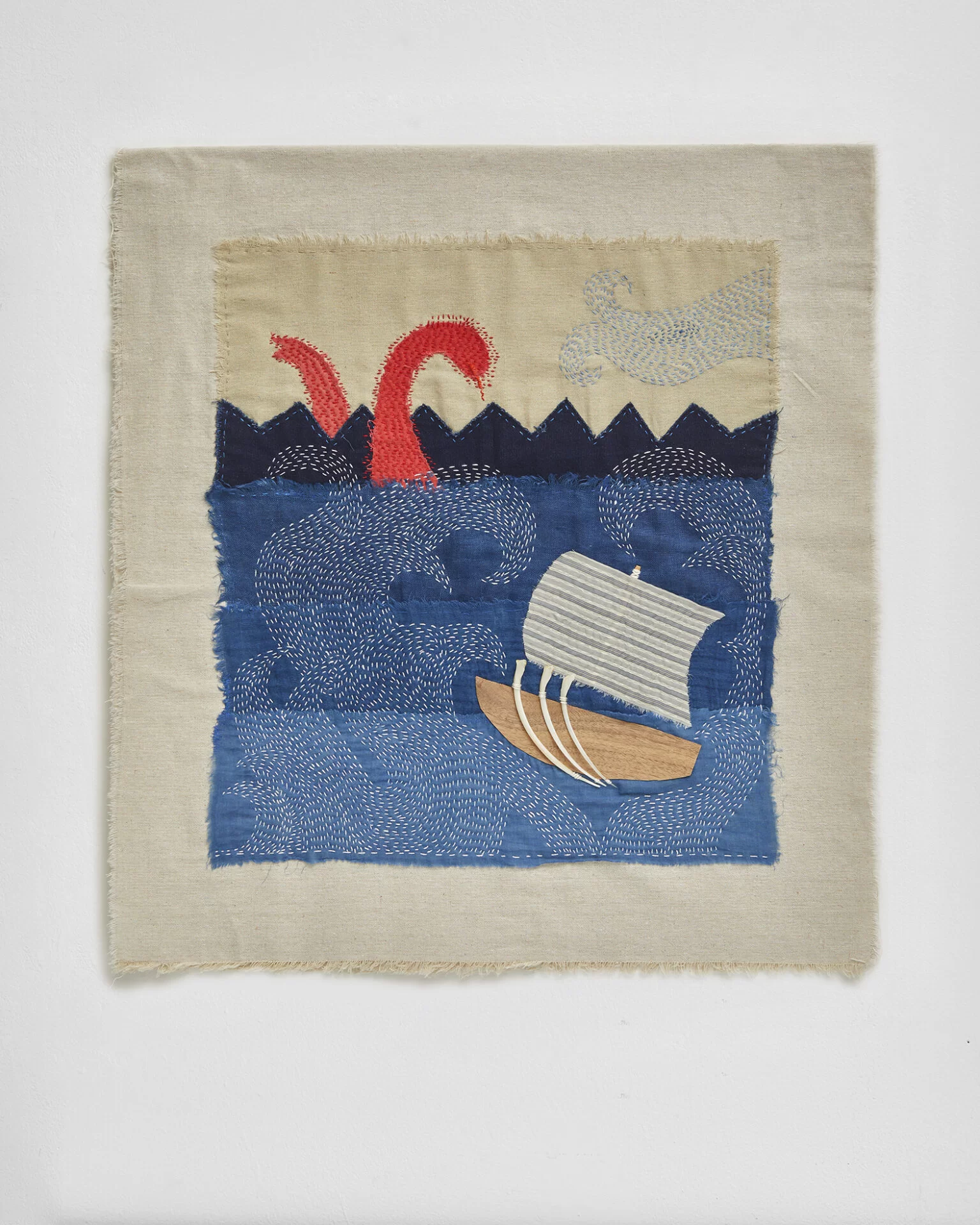
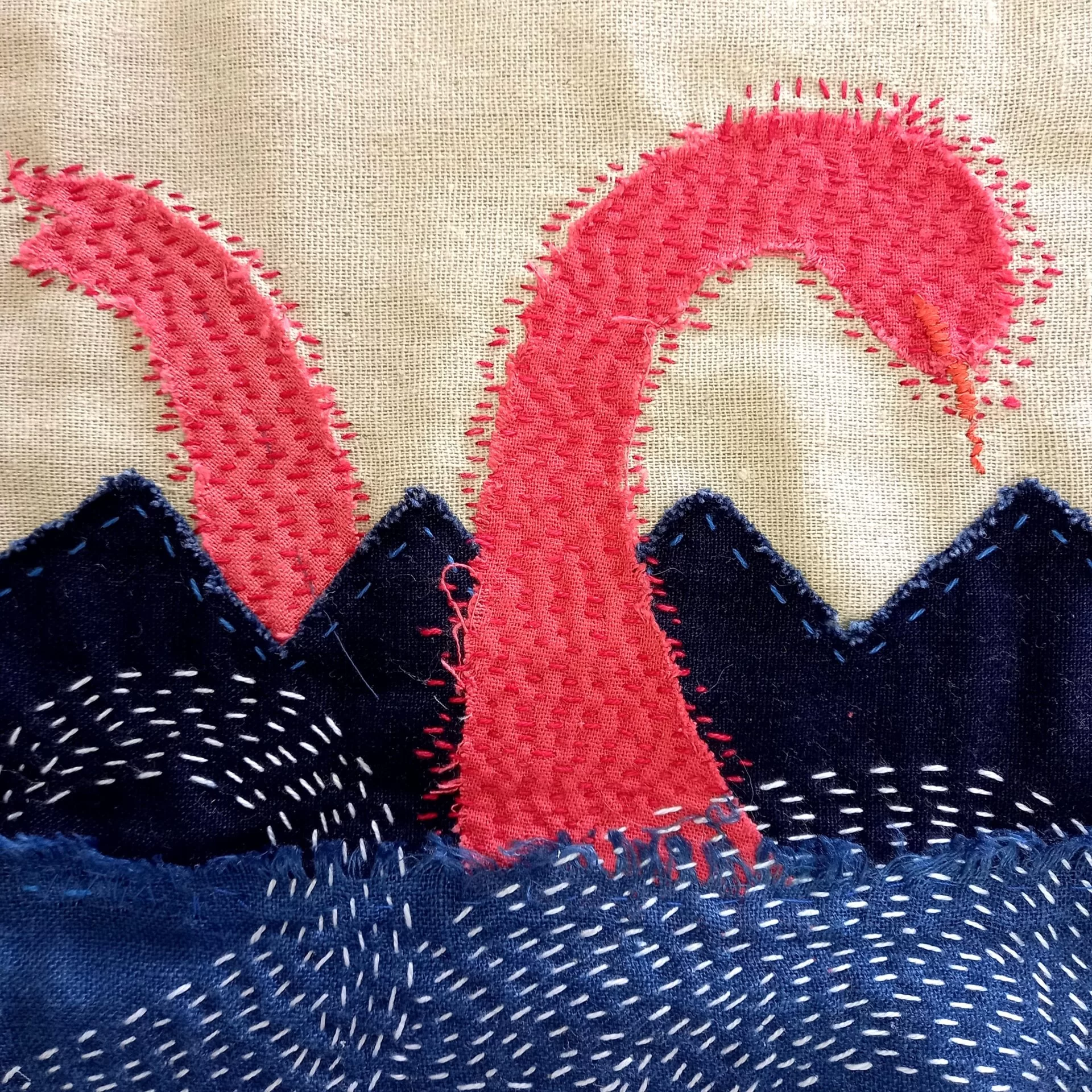
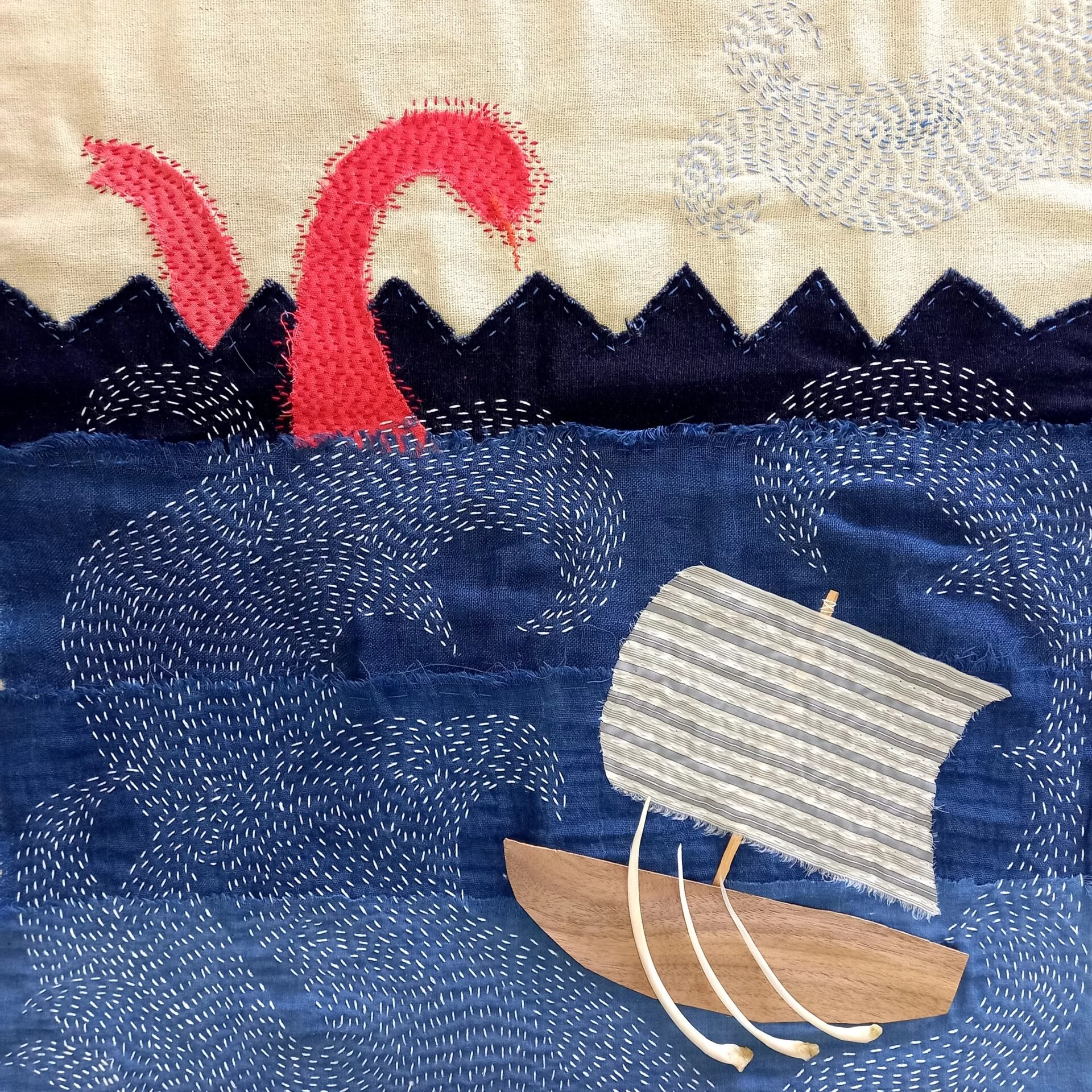
The battle with the sea monster – a tale of the heroism and determination of seafarers during their voyages (Water element).
The victory over the tribes of Israel – bringing the Ark of the Covenant as spoils to the central temple of the god Dagon in Ashdod (Metal element).
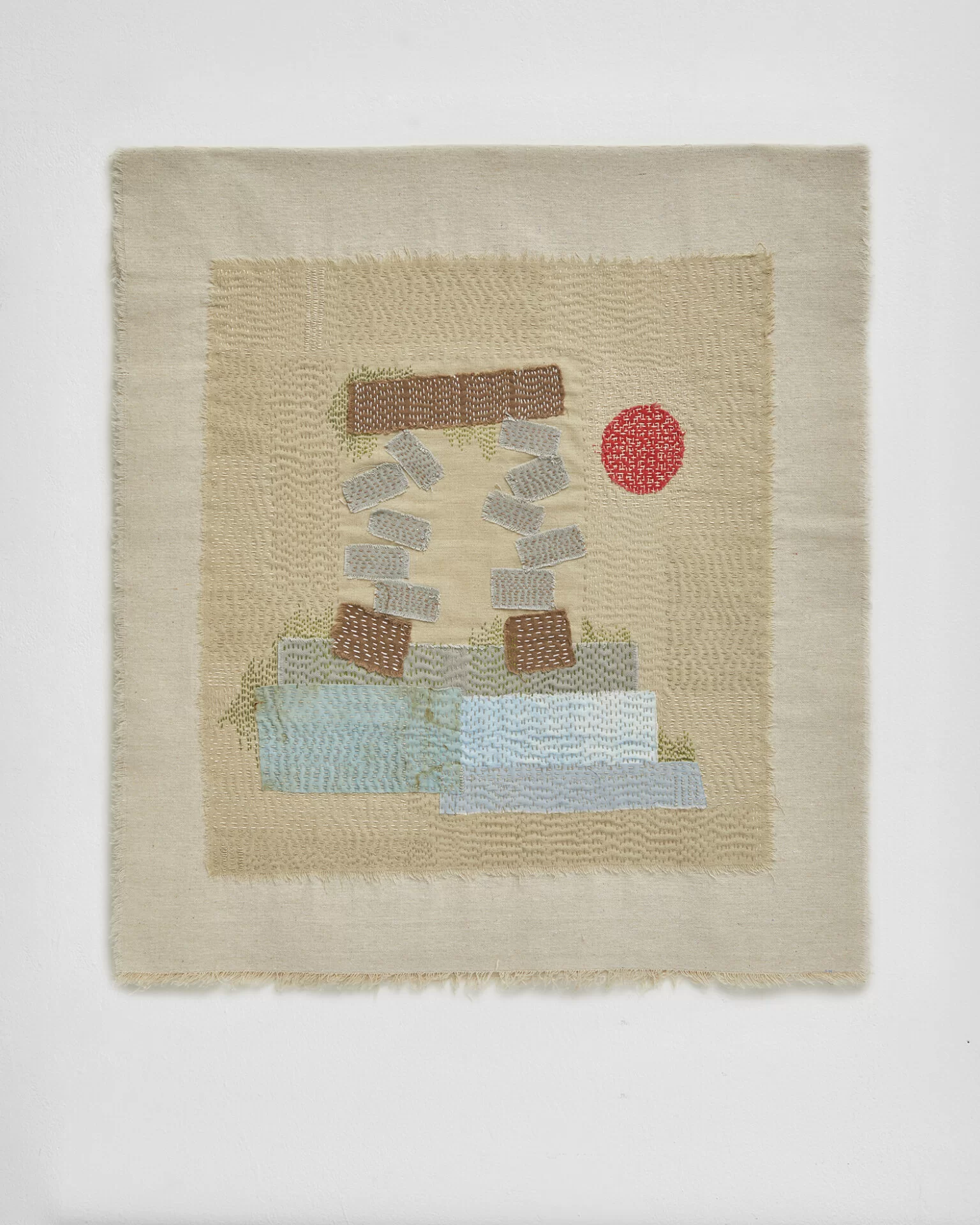
The destruction of the temple – the devastation left in the wake of the temple’s collapse remains as a painful memory; the agent of this destruction—Samson the Jew—is absent from the depiction (Spirit element).
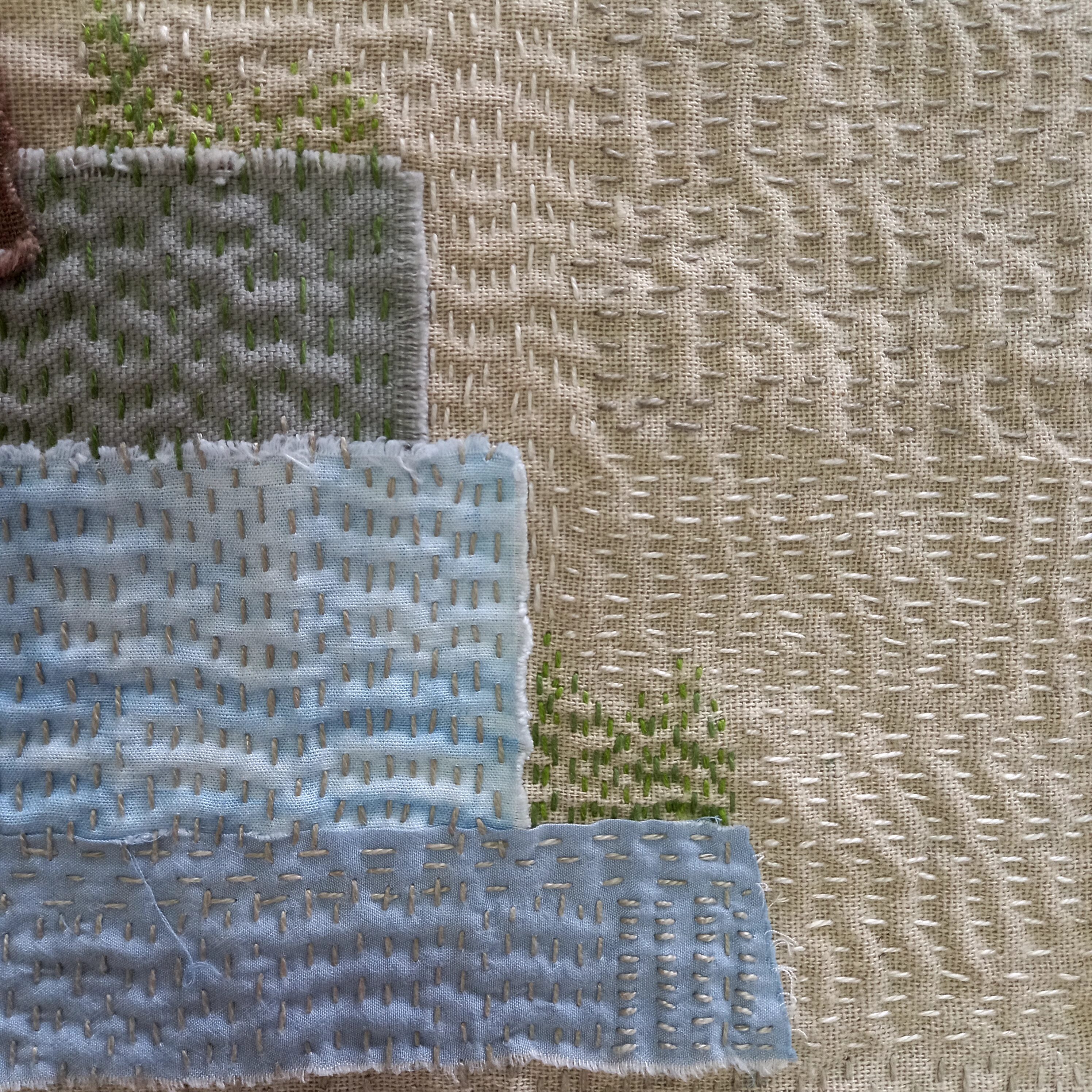
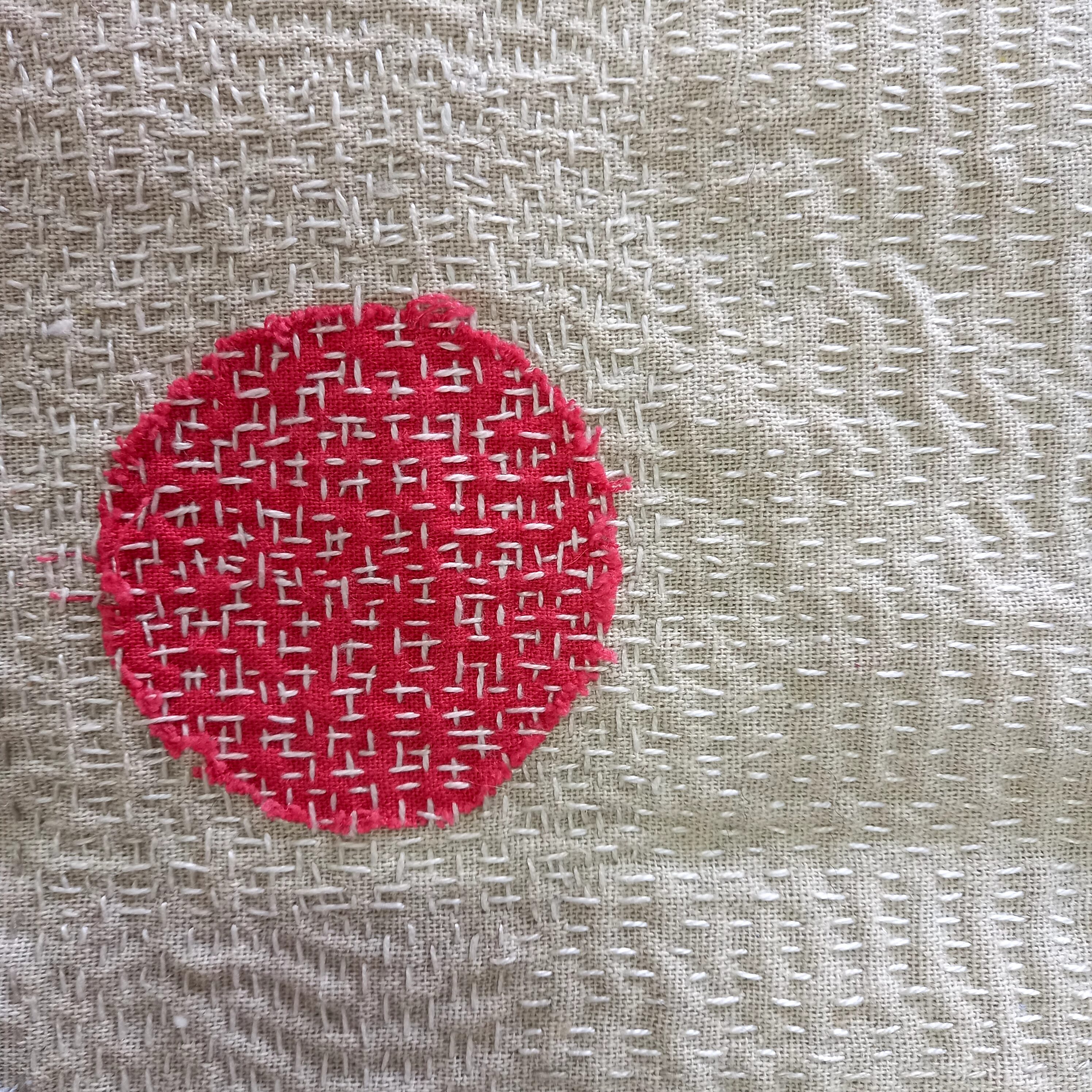
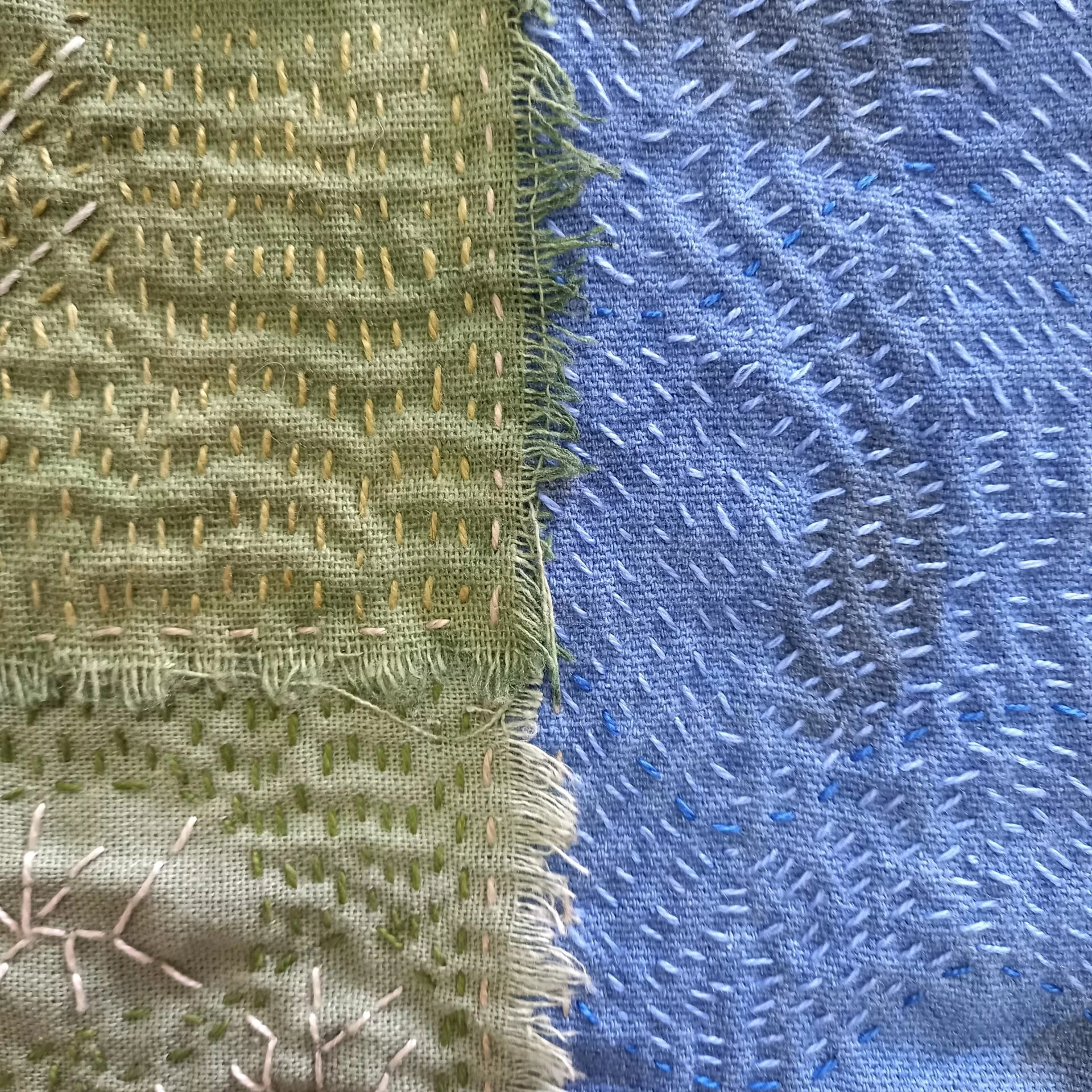
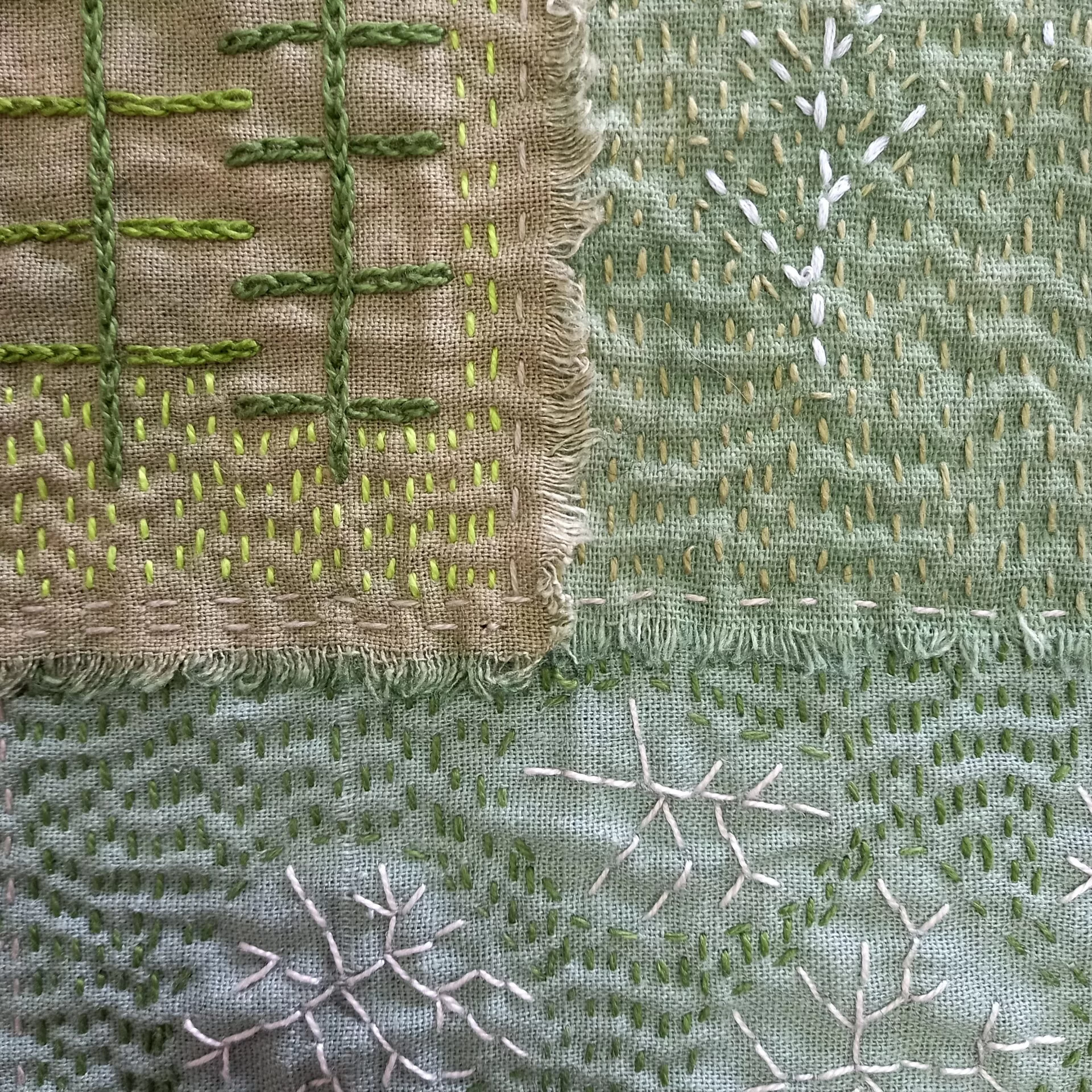
The works were created using embroidery and the appliqué of fabric scraps onto linen. The linen fabrics feature a diverse range of colors, with some hand-dyed to enrich the color palette. Embroidery techniques range from traditional stitching to sashiko and boro styles, incorporating additional elements such as wood fragments, brass pieces, and fish bones.
curators: Galit Gaon & Tom Kohen
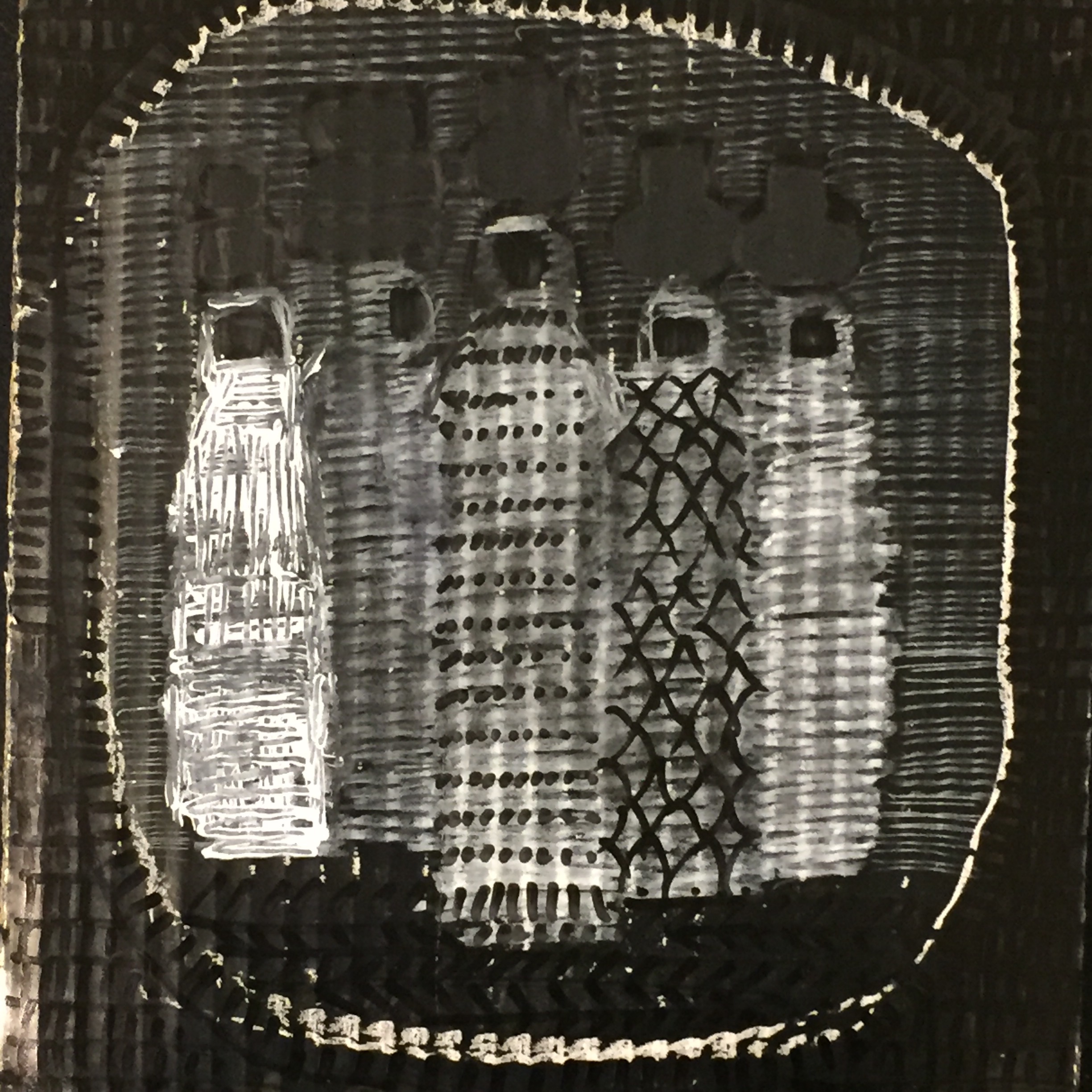
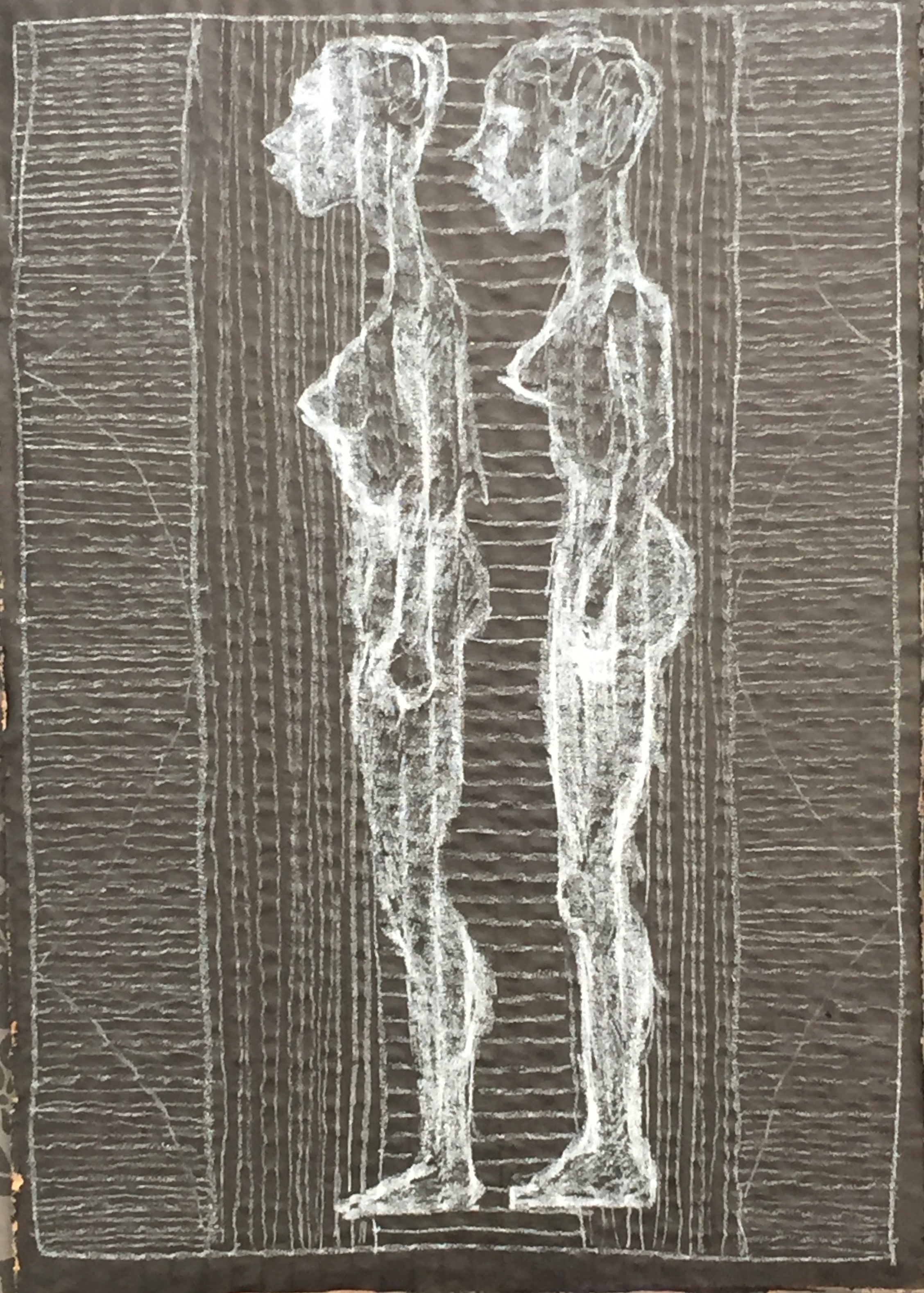
2 + 3 / Africa
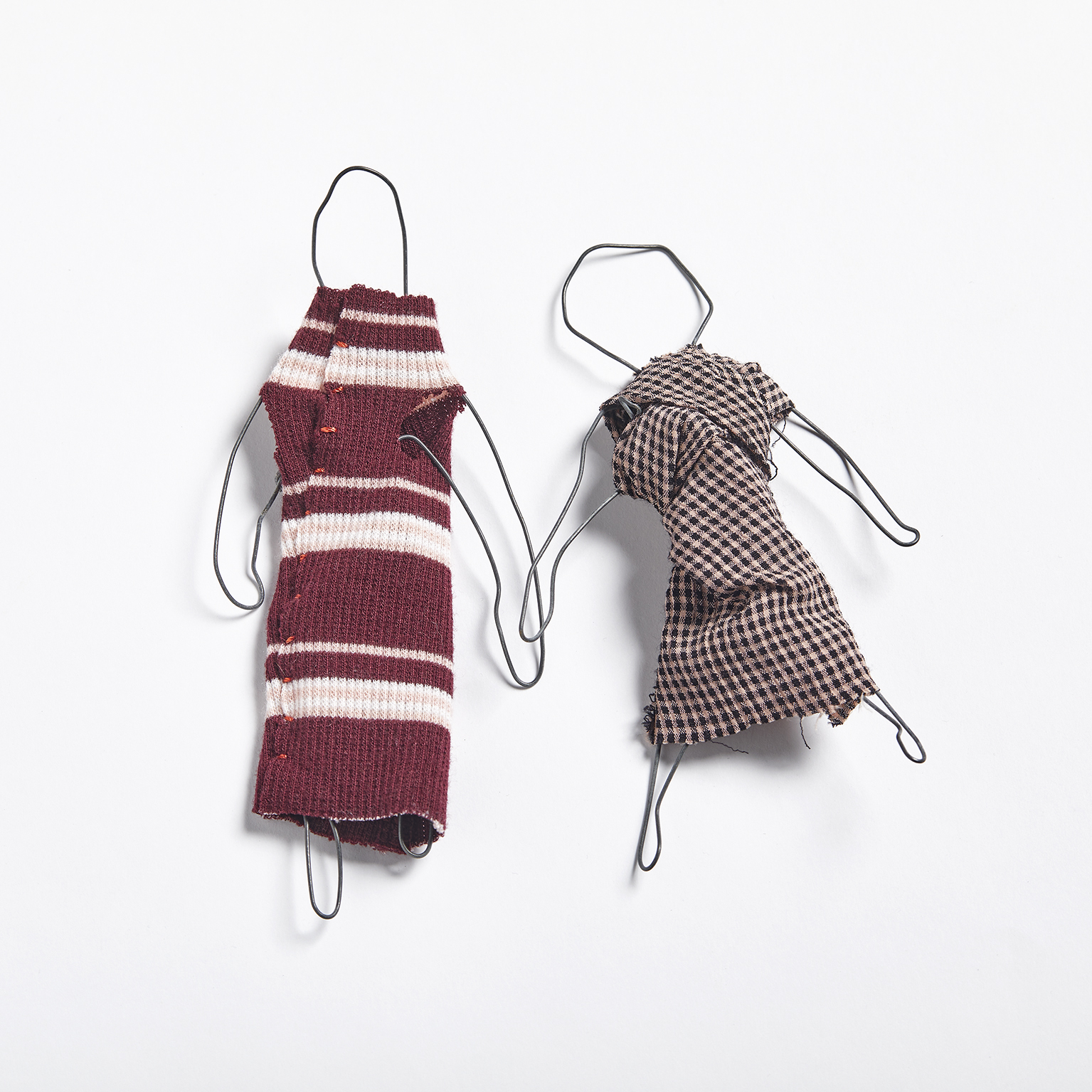
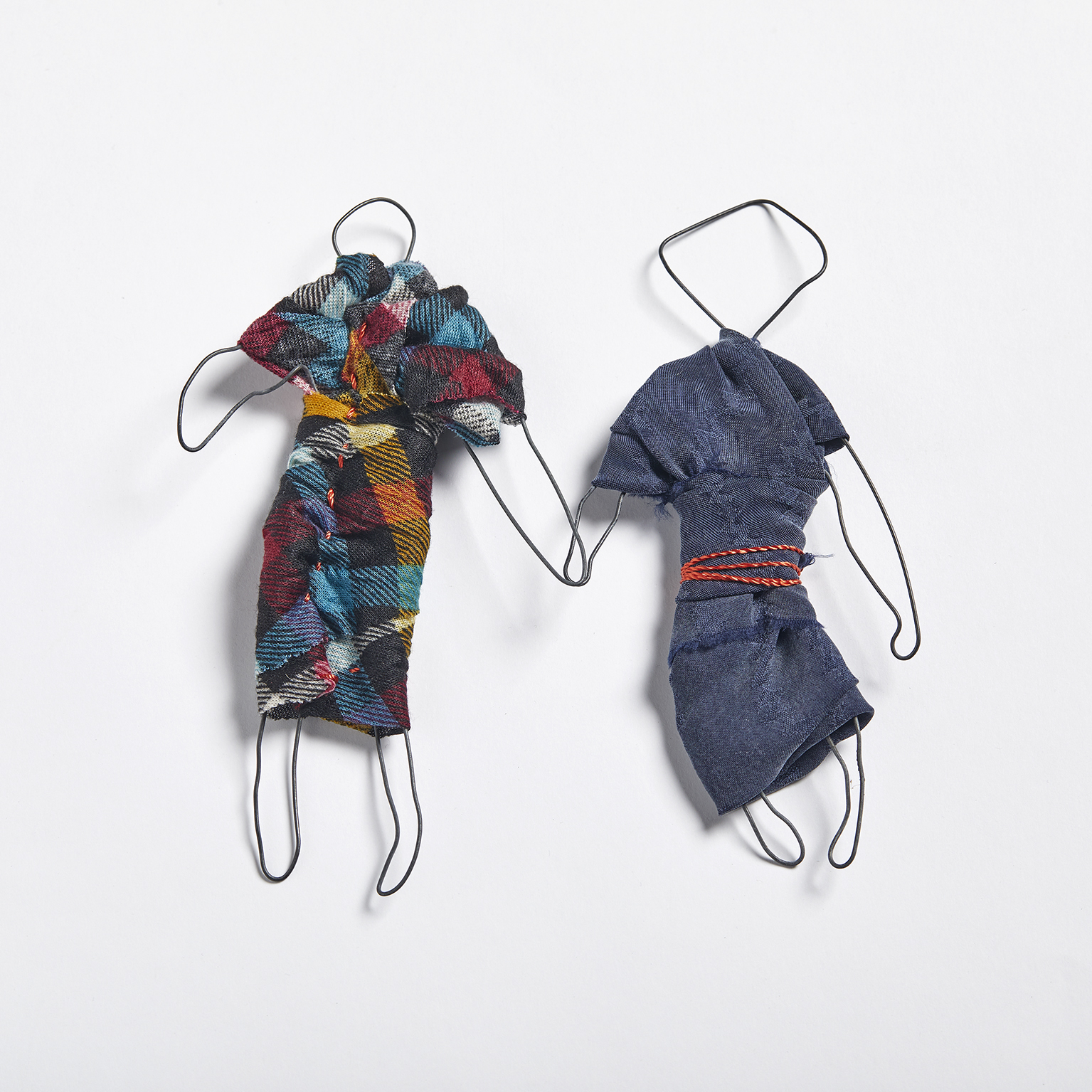
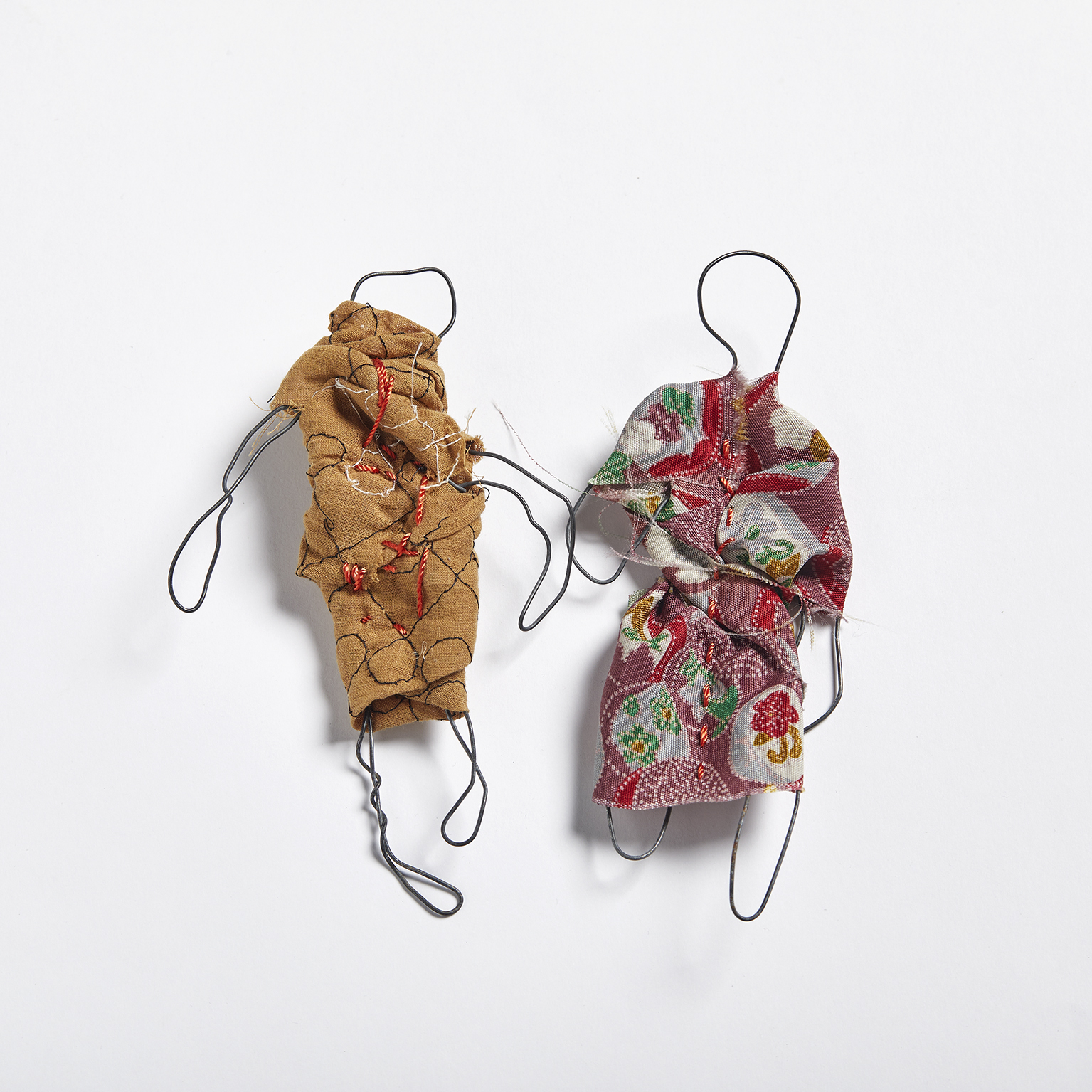
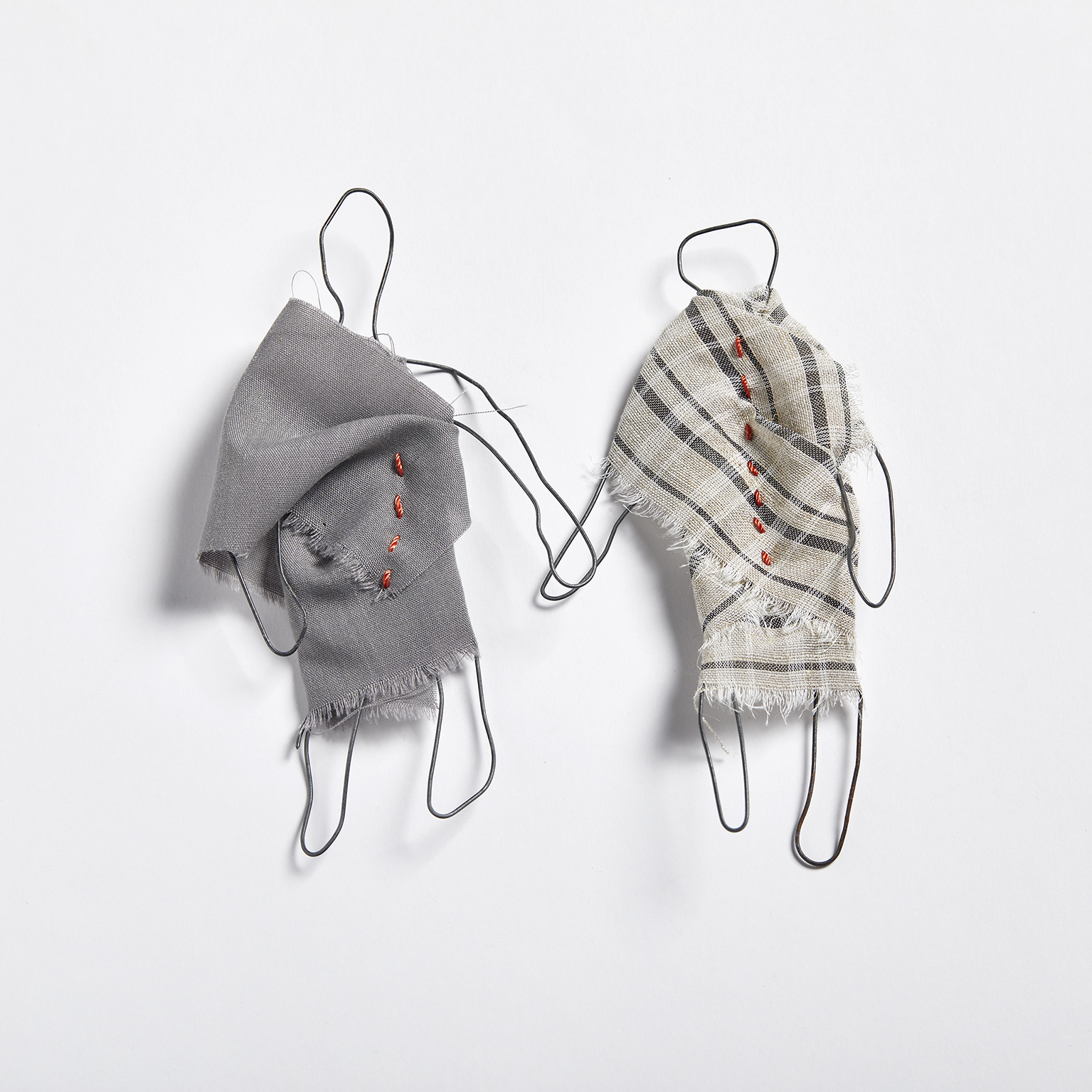
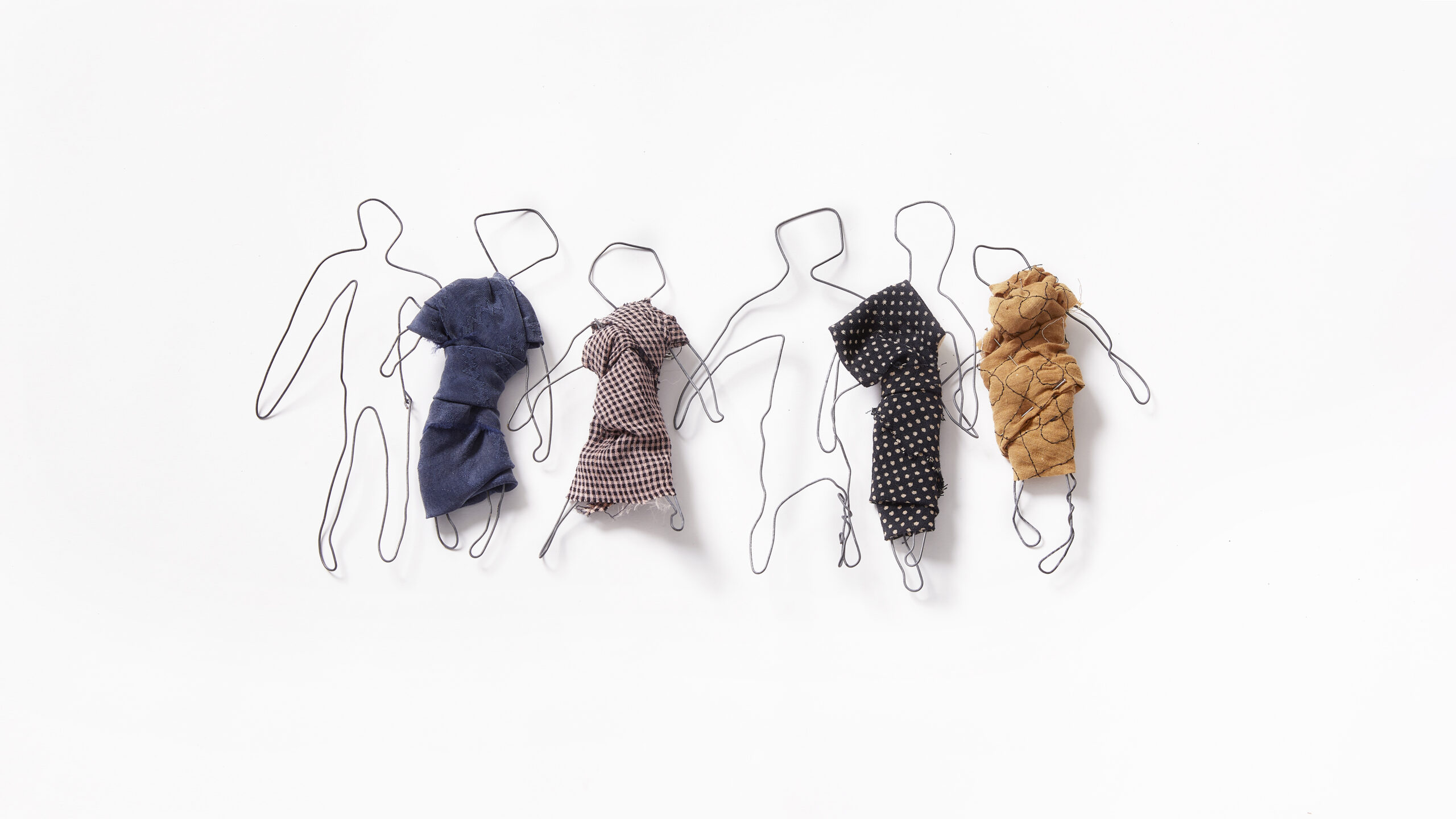
Images that surface and take tangible form in simple handicrafts.
4 / Cave Paintings
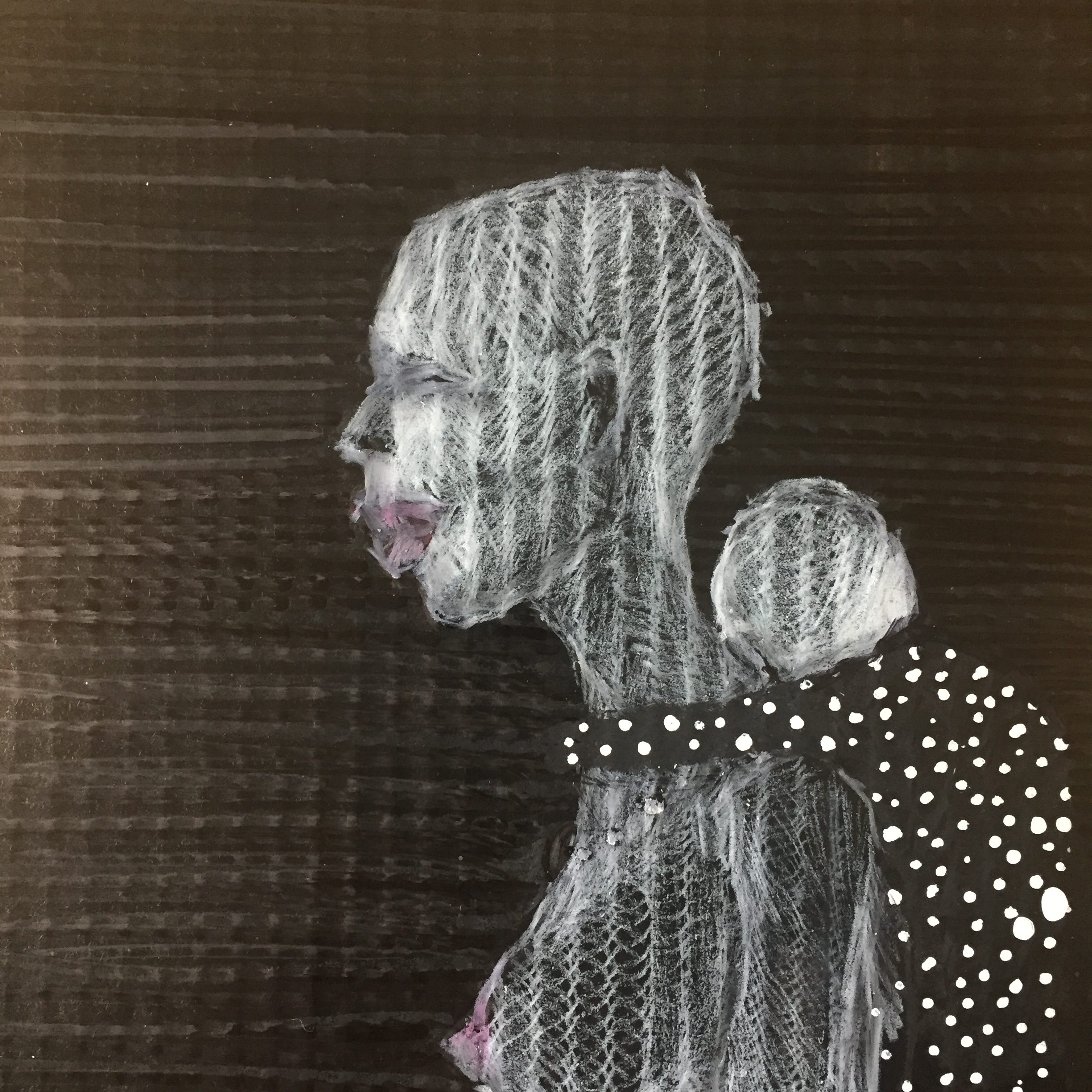
A record of the tribal life cycle, based on elements that recur across all cultures and peoples: belief, survival, and oral tradition. Storytelling.