1 / MDD – Material Driven Design
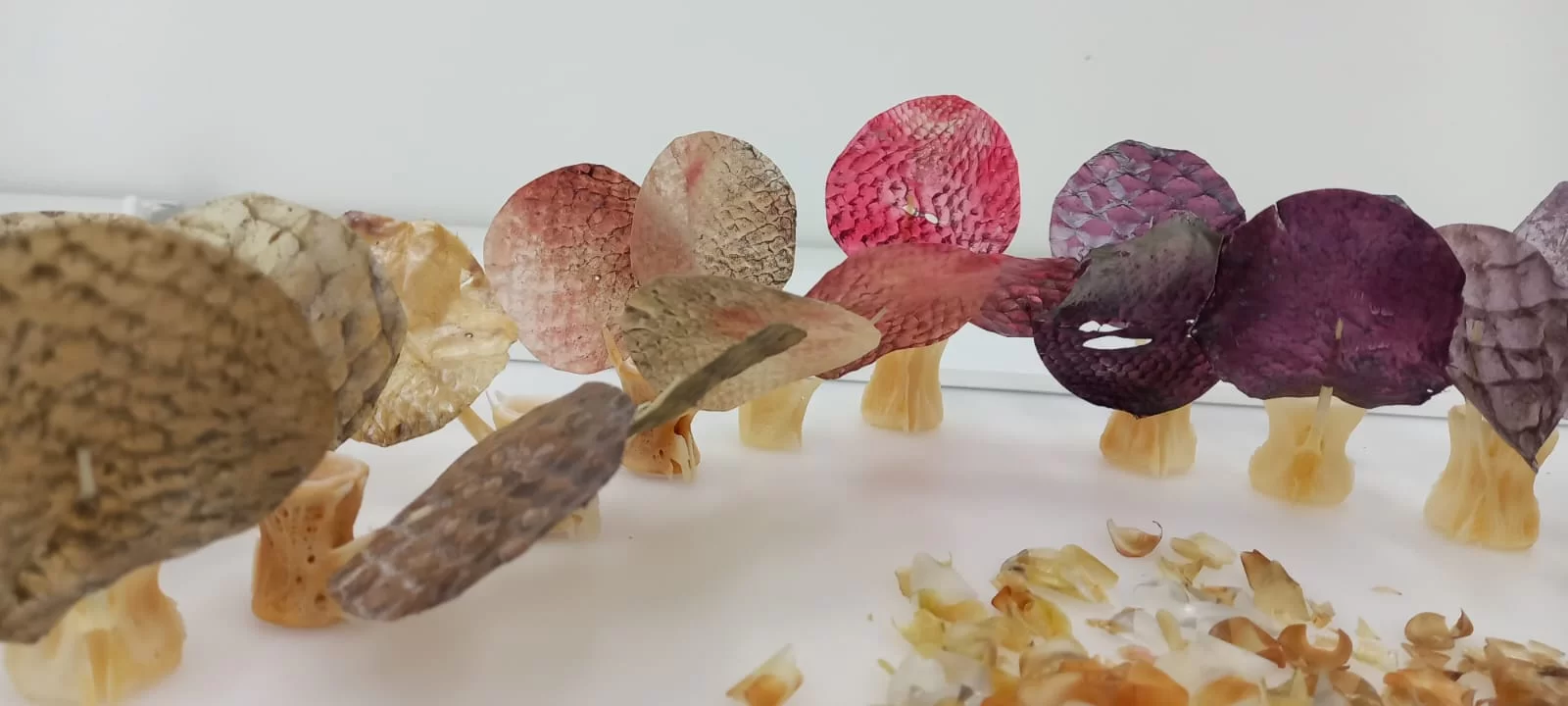
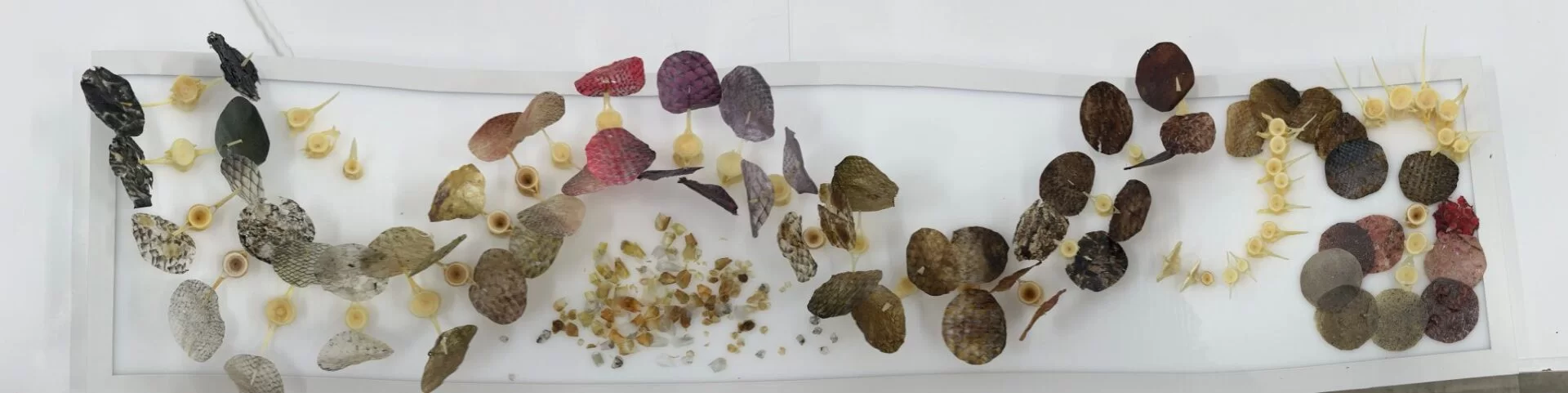
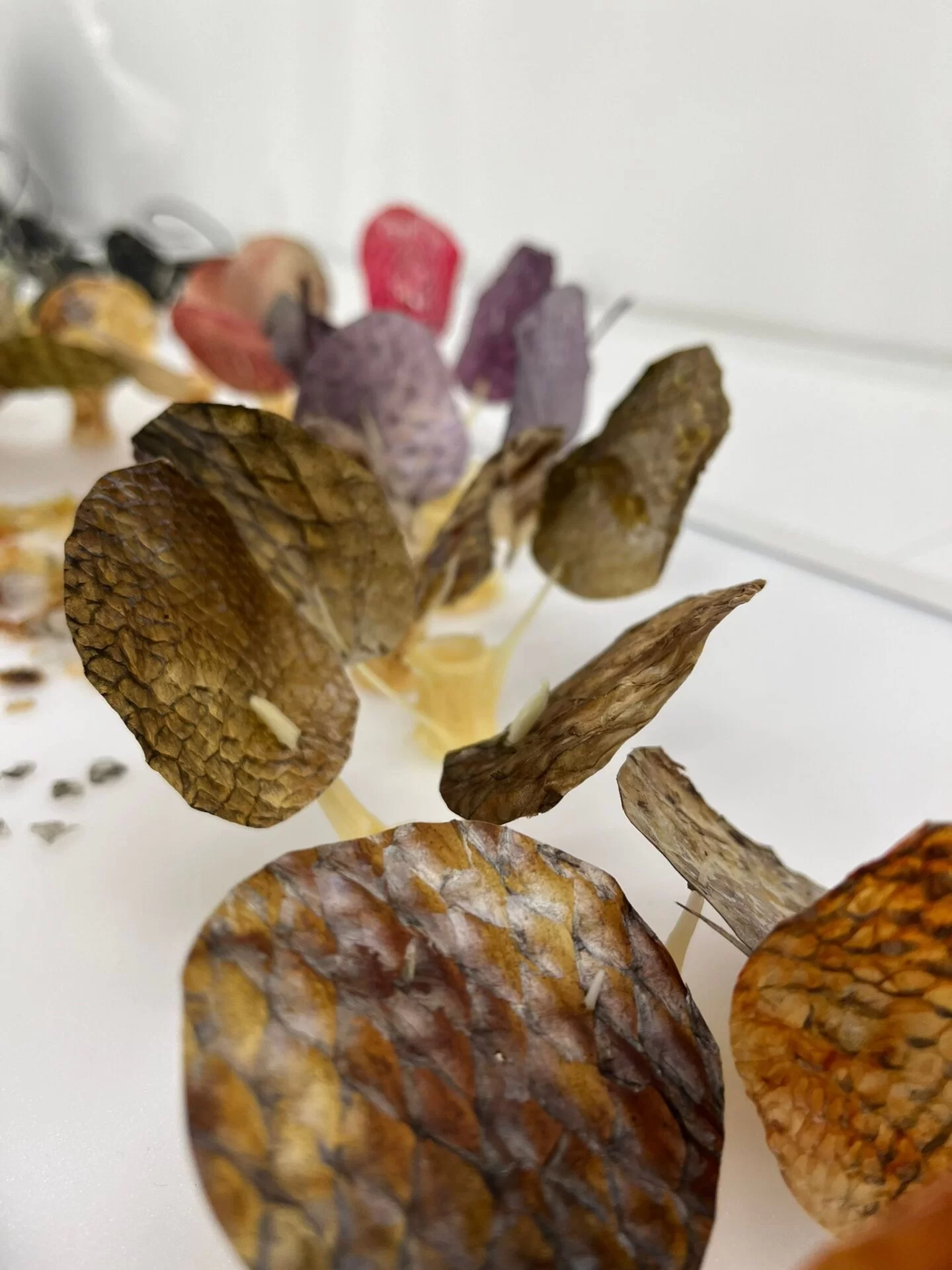
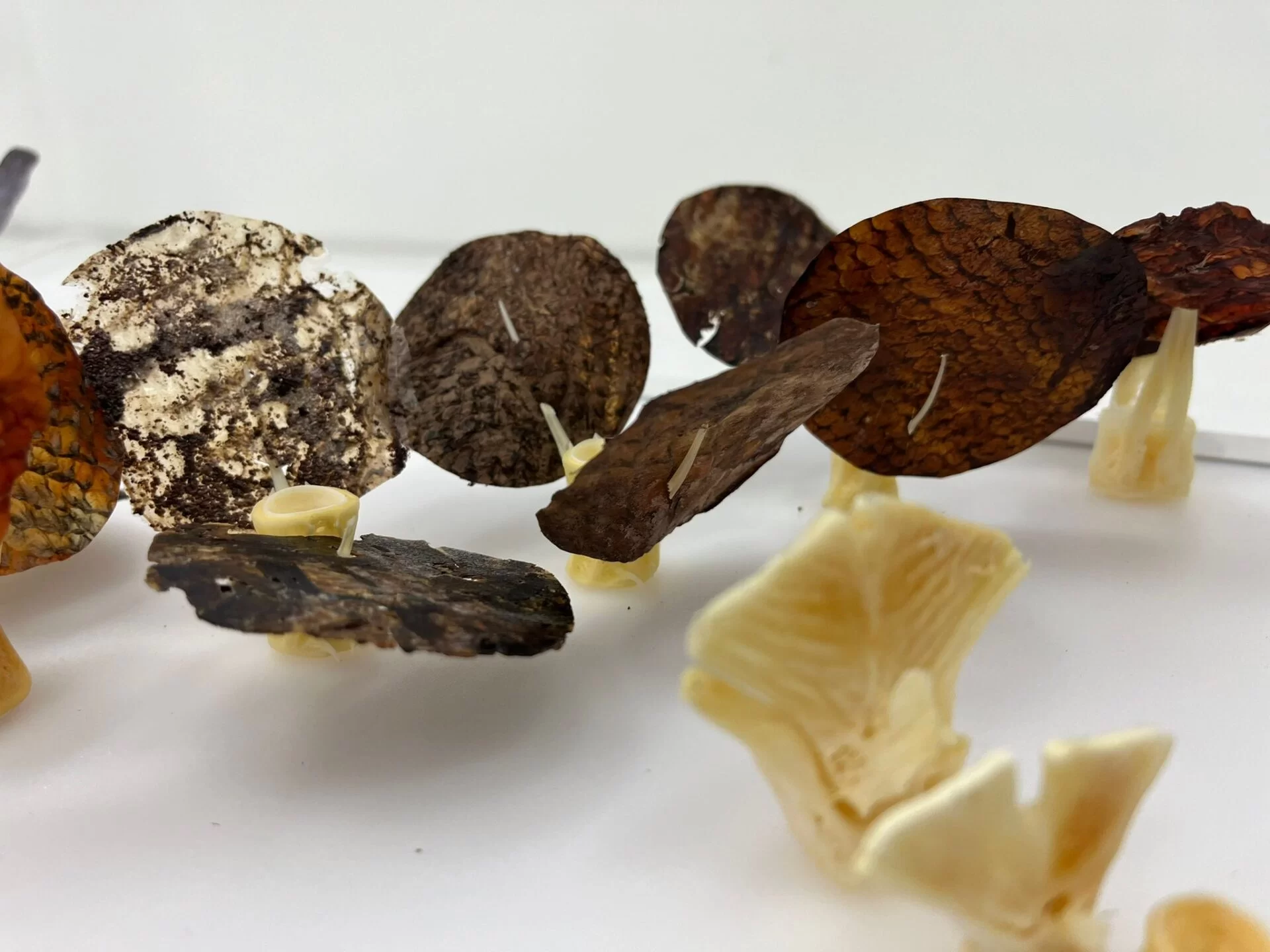
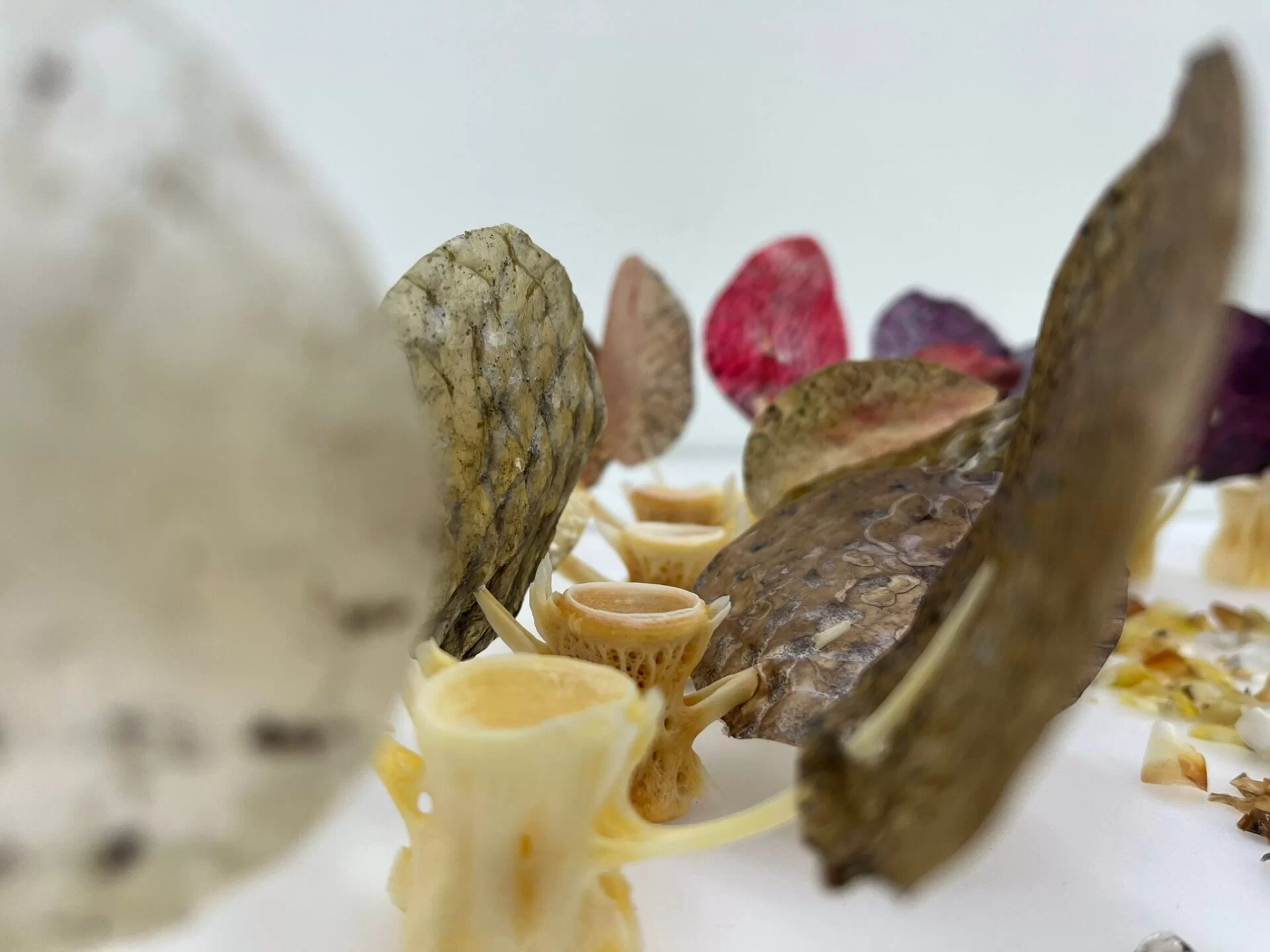
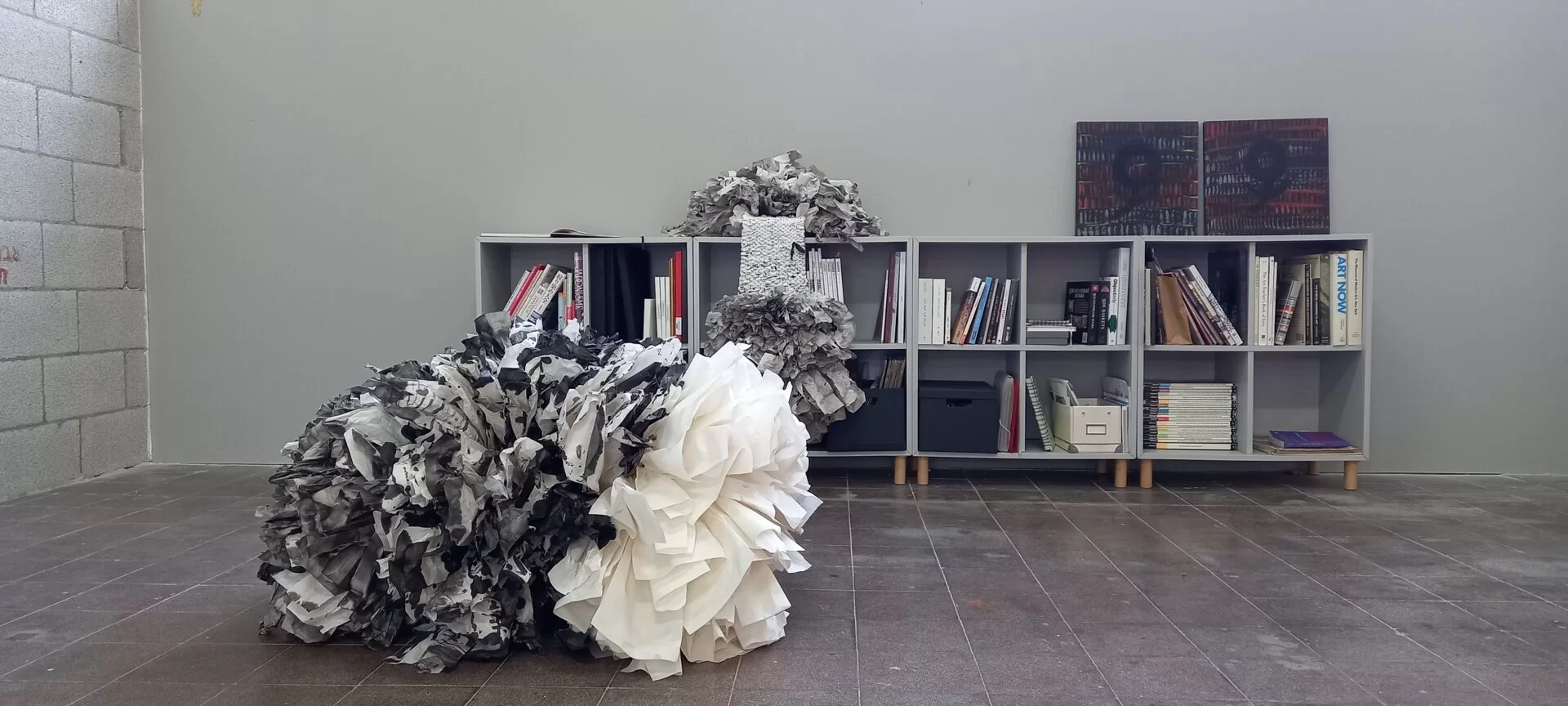
We often start the design process by sketching, making mock-ups and design models. Applying the material to the final design. Material driven design (MDD) starts the process the other way around. Focusing on the properties and quality of the material and then finding the correct application for it.
Mistakenly we often think that MDD is a new way of creating objects. But if we look back in time, it is actually very closely related to craftsmanship. Understanding the matter, before using it in context, is essential for creating a product. This method focuses on the tangible experience of the material.
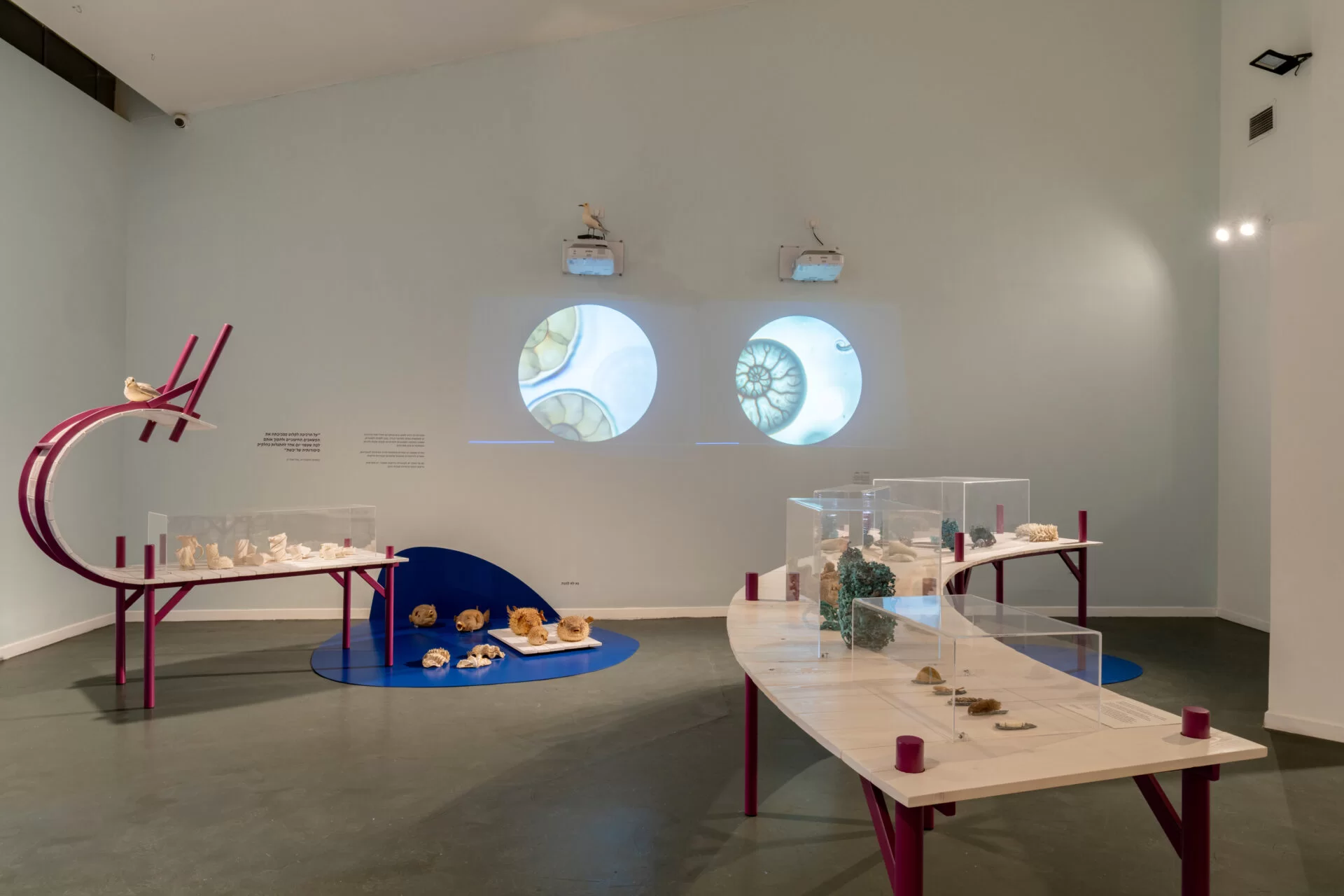
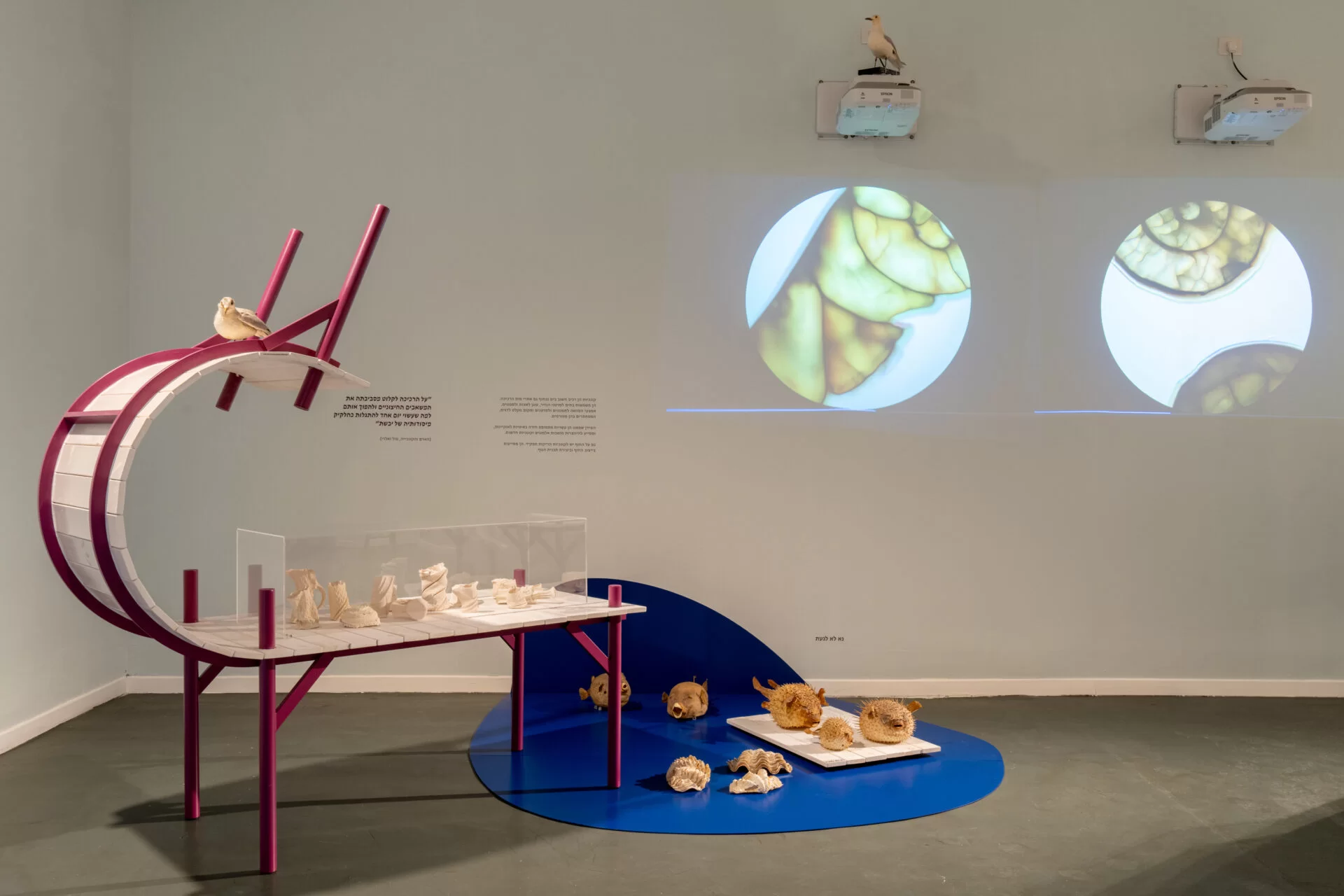
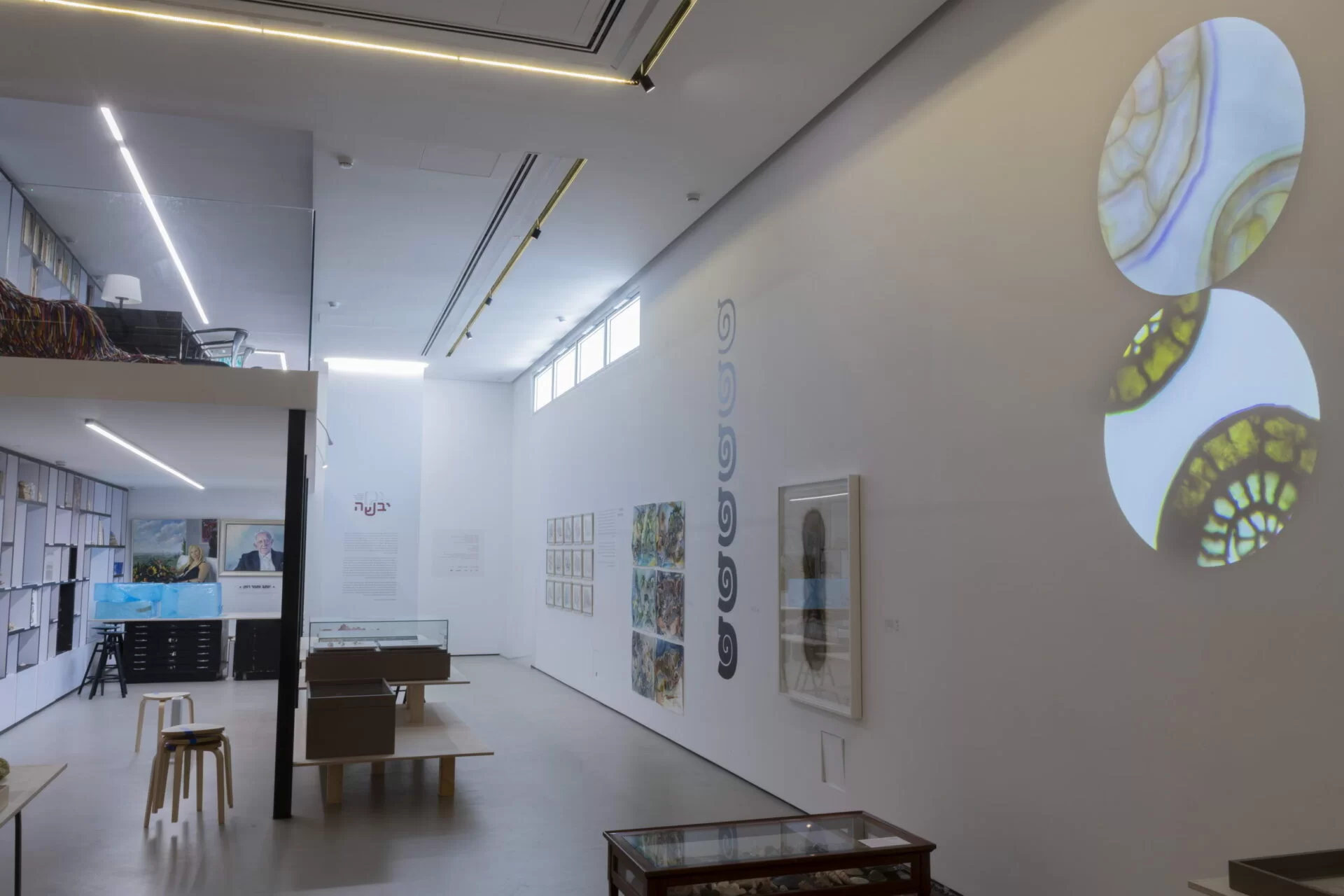
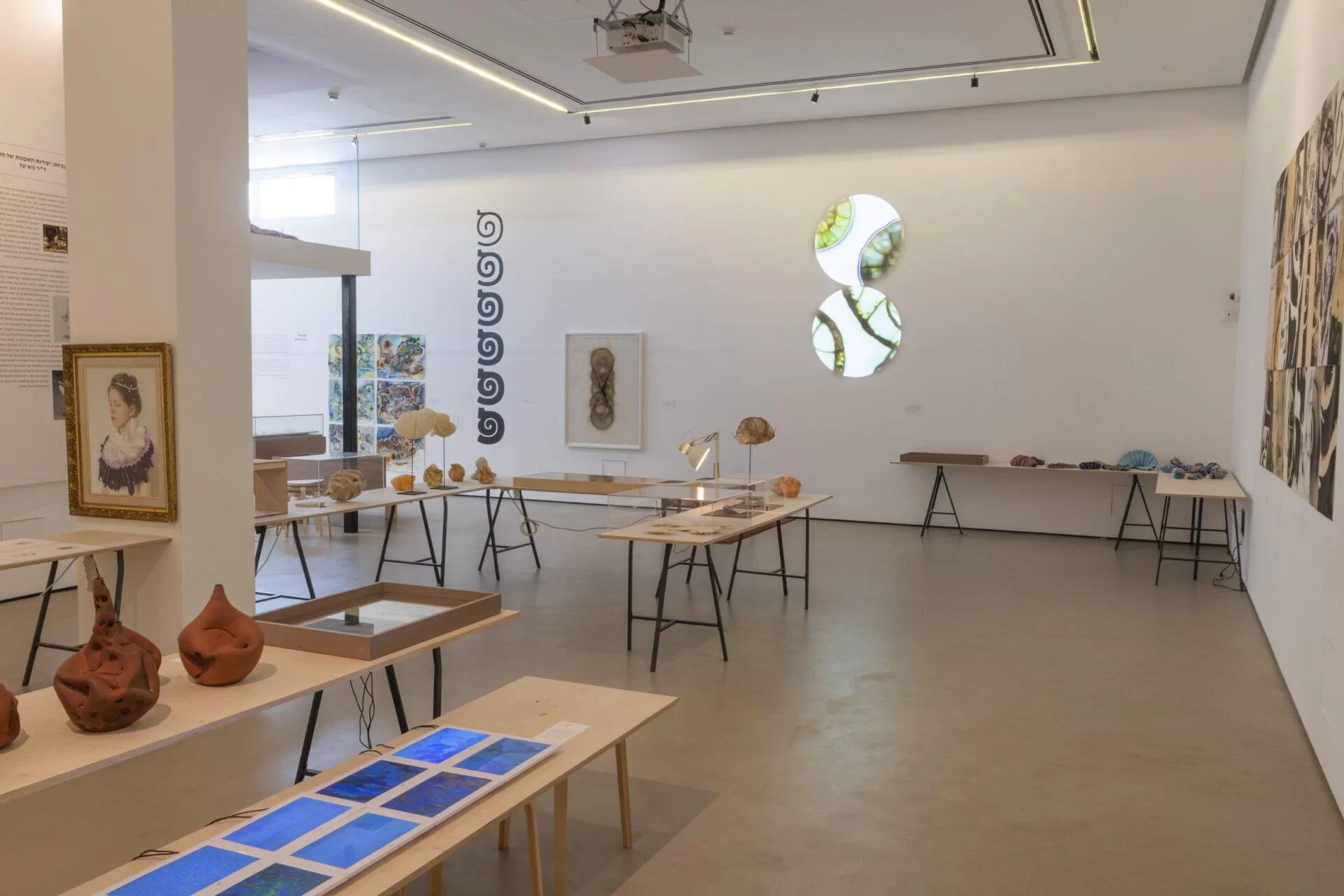
2 / Fibonacci AI & I – the work was displayed in the exhibition – “Between Sea and Land – Story of a seashell”
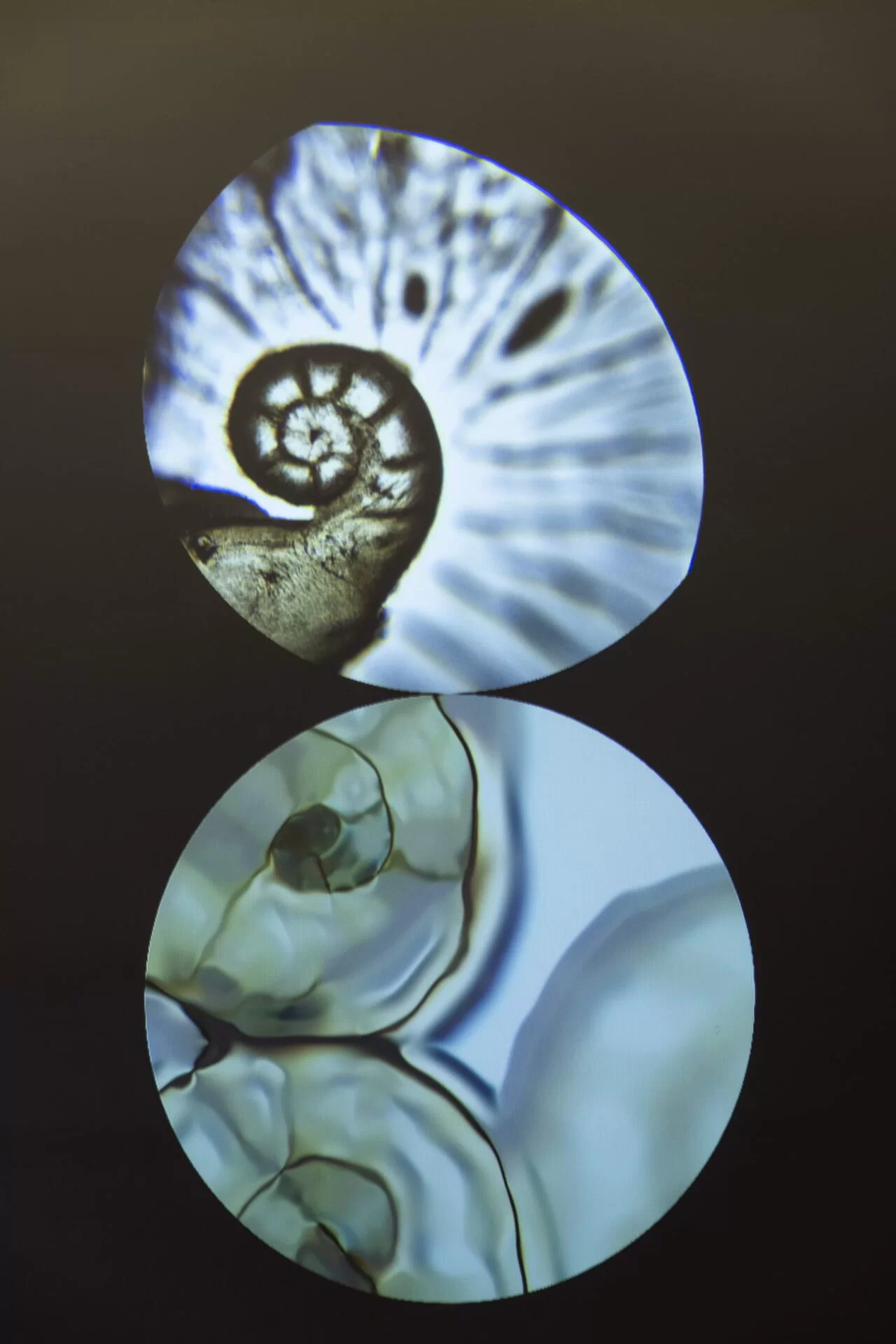
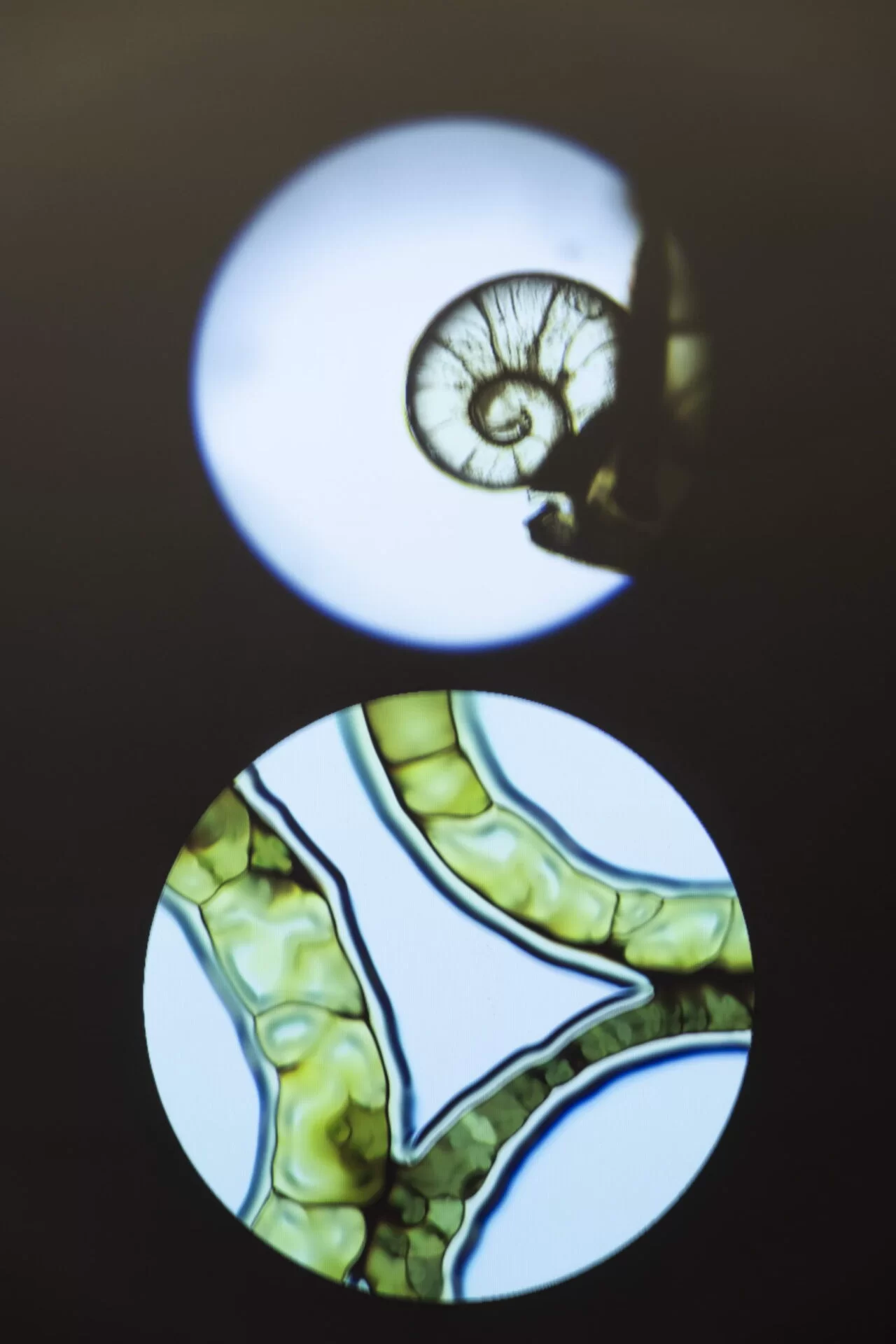
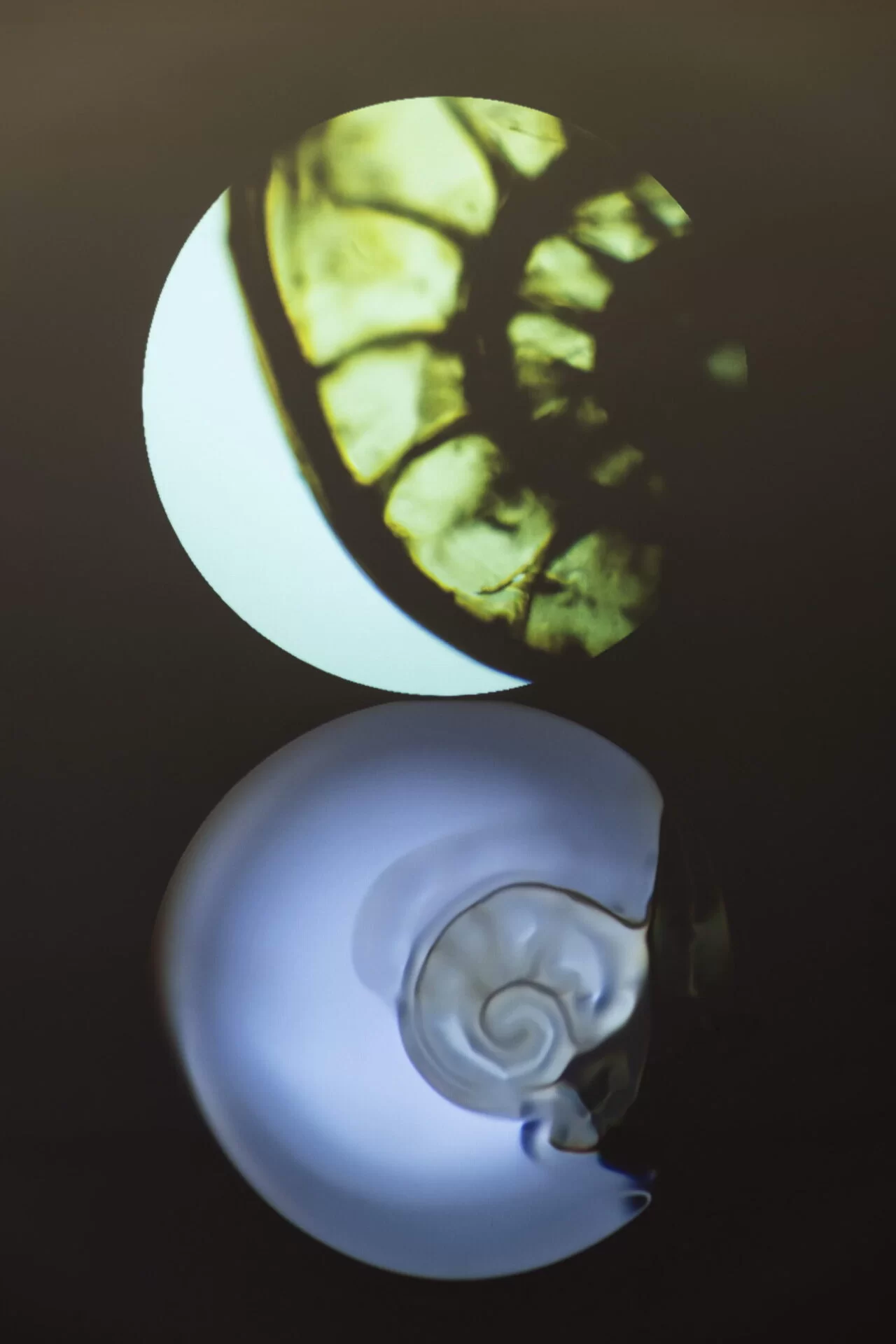
The engineering structure of a seashell’s spiral is based on the “Golden Triangle” ratio associated with Fibonacci—an Italian mathematician who, in the early 13th century, formulated a magical numerical sequence embodying one of the most famous ratios in the worlds of mathematics and engineering. Even more remarkably, this sequence reflects ratios found throughout nature—in the inanimate, the botanical, and the animal kingdoms. Fibonacci’s insights stemmed from observing recurring phenomena in his surroundings. The geometric representation of this famous numerical ratio manifests in the spiraling form of the seashell—specifically, the “Golden Triangle” ratio. What explains this phenomenon? The mathematical explanation for the seashell’s precise engineering lies in the fact that this is the most efficient method for replication—a process frequently observed in nature.
Thus far, I have described a mathematical formulation of natural phenomena. Then I asked: What would happen if we reversed the order? What would emerge if I applied this numerical sequence within a boundless realm? What shapes would be created? What interpretation would arise?
Consequently, I formulated the following prompt: “The ‘Golden Triangle’ ratio embodied in a futuristic marine organic form.” New forms of existence emerged—rooted in the spiral structure of the shell, yet distinct and unique. I created these in collaboration with the AI generator DALL-E 2. From the initial quartet of generated images, I selected the variations that intrigued me, then continued with a similar process of branching and selection to foster further evolution. I proceeded in this manner, making further interventions and choices along the way. This process builds a database containing dozens of images representing possible, imagined, and fascinating evolutionary paths.
curators: Niv Nudelman & Rotem Kaplan
3 / My Maritime Journey – solo exhibition
Gifts, figurines and tourists items originating in East African countries arrived at Maria’s parents home in Baku, the capital of Azerbaijan, in the early 1970s, just before they immigrated to Israel. These objects were an absolute marvel for her in relation to that period in the USSR. Their foreignness and exoticism have had a profound effect on Maria since then until the works on display in this exhibition. The Caspian Sea, where the seabed is black, viscous, repulsive and has a strong odor of oil carried in the air, is an illustrative journey, crossing cultures and landscapes, to its end in the Far East, reflecting the deep connection of the traveler between cultures.
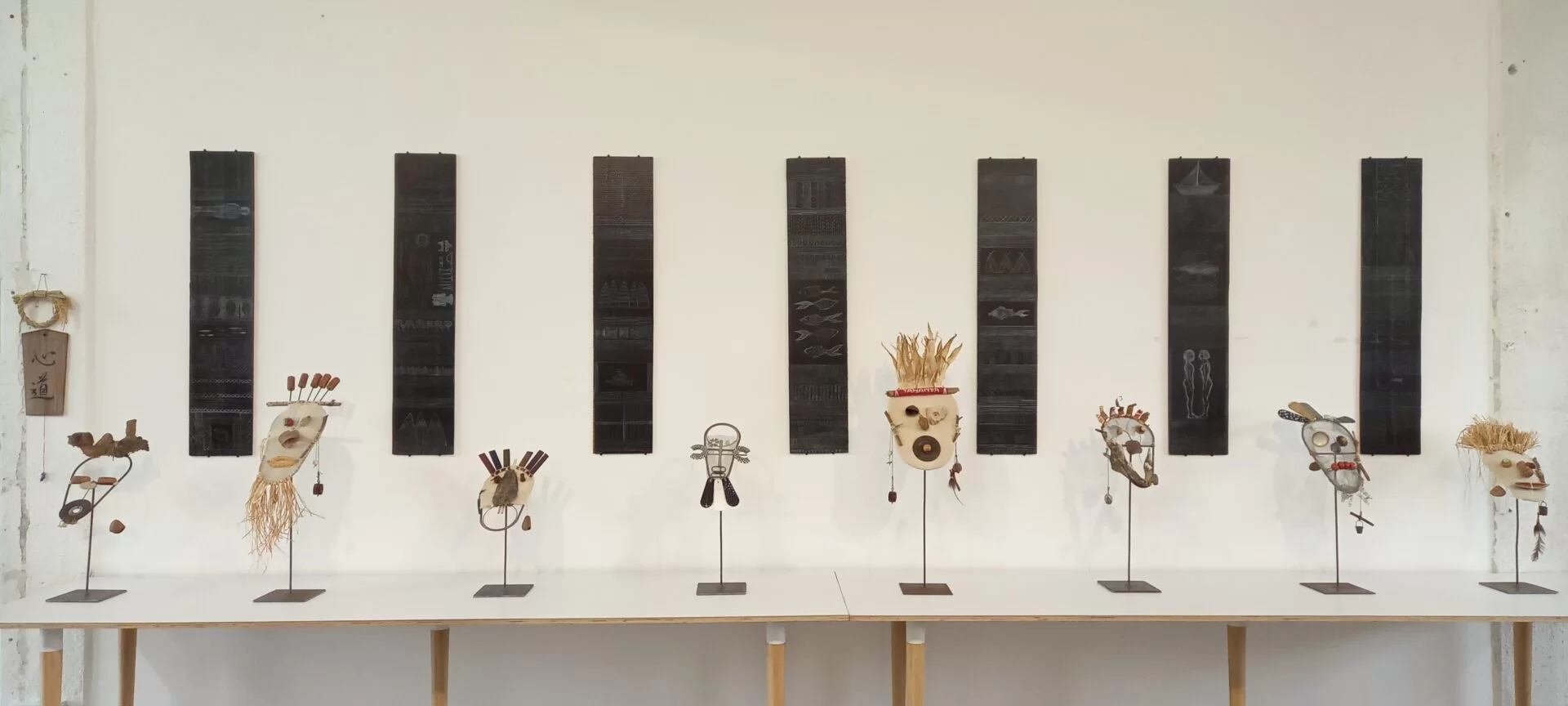
Seven tall, black narrow panels make up the work after which the exhibition is named and they depict a voyage using graphic and flat style illustration. An almost obsessive combination of repetitive geometric motif drawings, decorative patterns, human figures, animals, vegetation and more, creates the documentation of the events in the journey. Repetition is on the one hand reminiscent of embroidery and on the other hand serves as a tool to illustrate the sense of infinity that accompanies the way and is understood, perhaps, only by the same ‘traveler’ in ancient trade ways, while making contact and interaction with those she met on her way, exchanging ideas and symbols. Similar to paintings on the walls of an ancient cave, the tablets depict occurrences of what was and in some cases what was created in the imagination. The need to fill the substrate with information, similar to the infinite nature, also connects and expresses the ‘fear of the empty’ (Latin – Horror Vacui) that is expressed in art styles throughout history such as in the arrangement of ancient Egyptian hieroglyphs where signs were repeated or phonetic additions added to avoid spaces, thus, according to many scholars, this hints at the abomination of emptiness.
The use of black originates from the Chinese-Japanese ink and calligraphy works that Maria has been practicing for many years. This deep black color connected in her works to childhood memories in which every immersion in the sea left her feet stained with black fuel oil, which is abundant on the bottom of the Caspian Sea.
Many of the two-dimensional works in the exhibition have a limited, monochromatic color of black and white, but in contrast to the soft, flowing calligraphic brush movement, these works are roughly engraved in white chalk on a black surface.
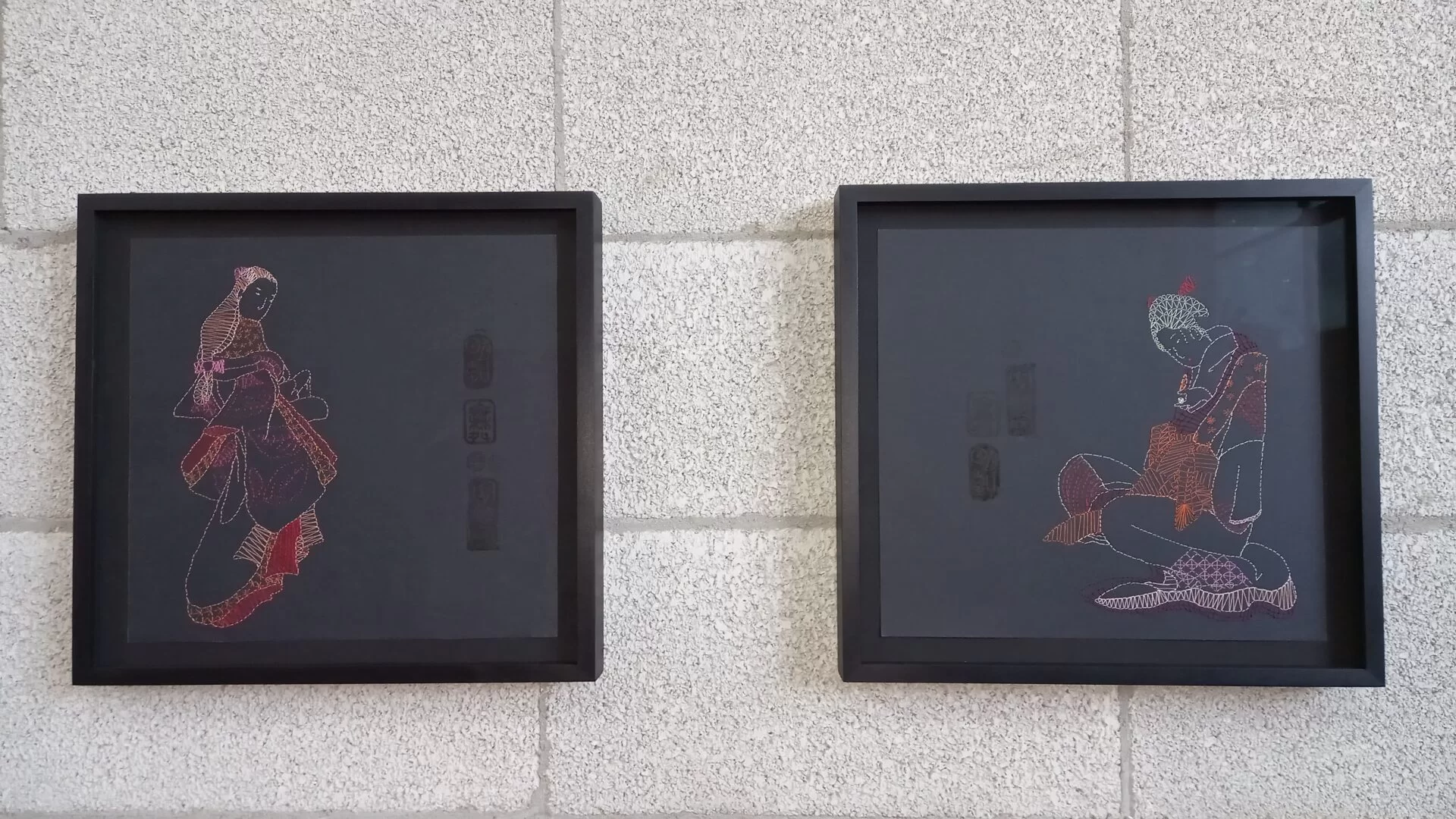
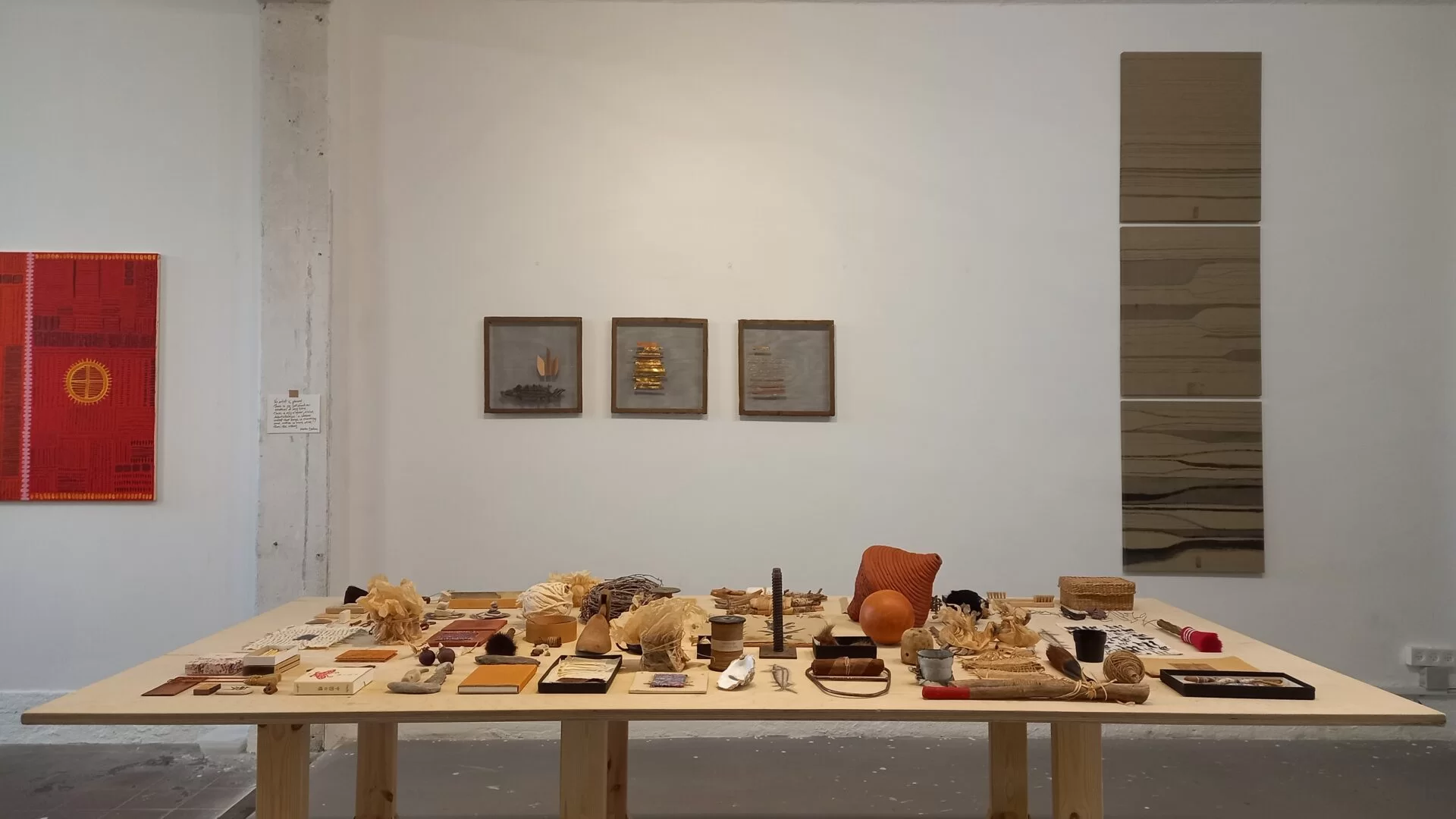
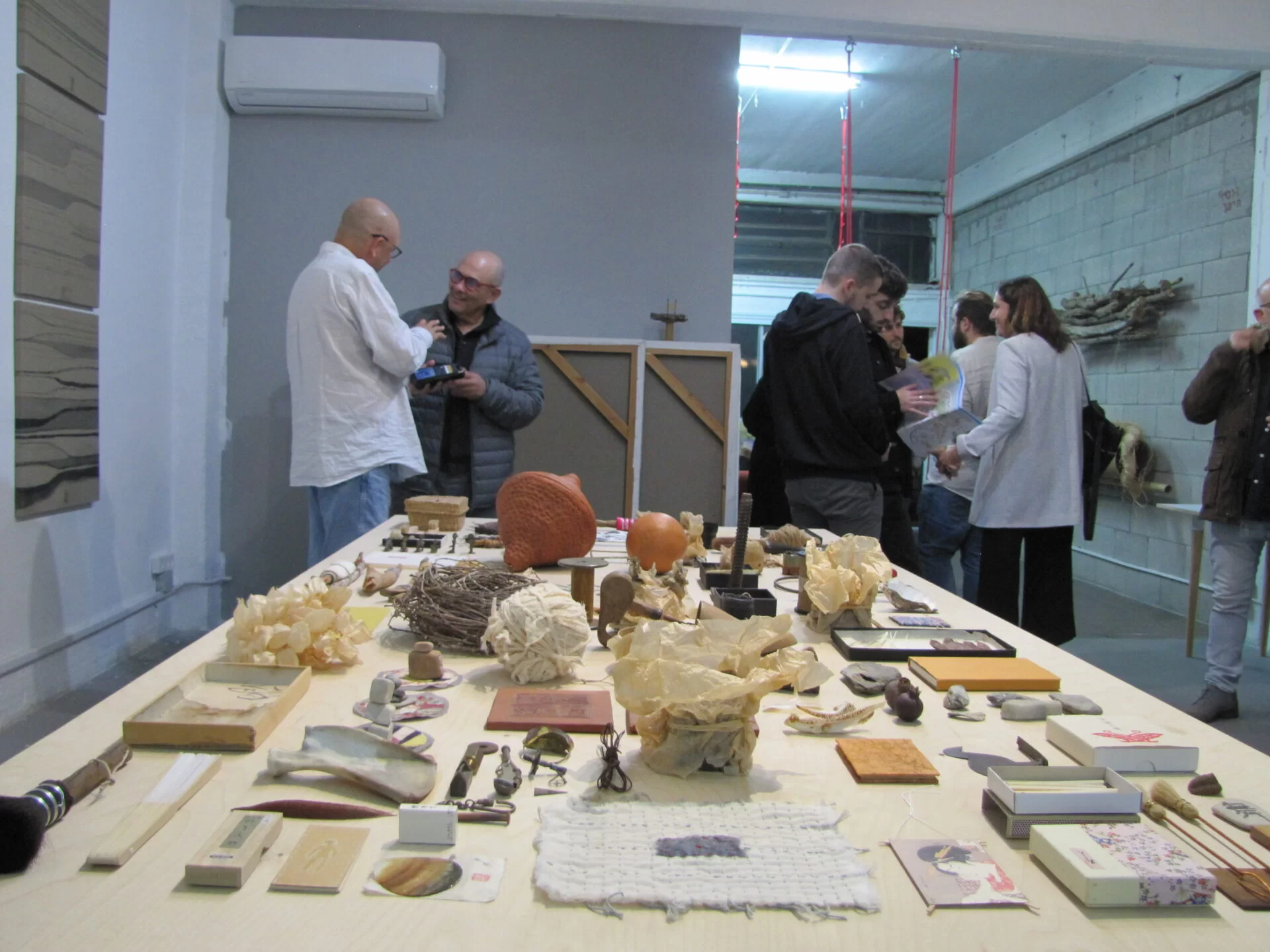
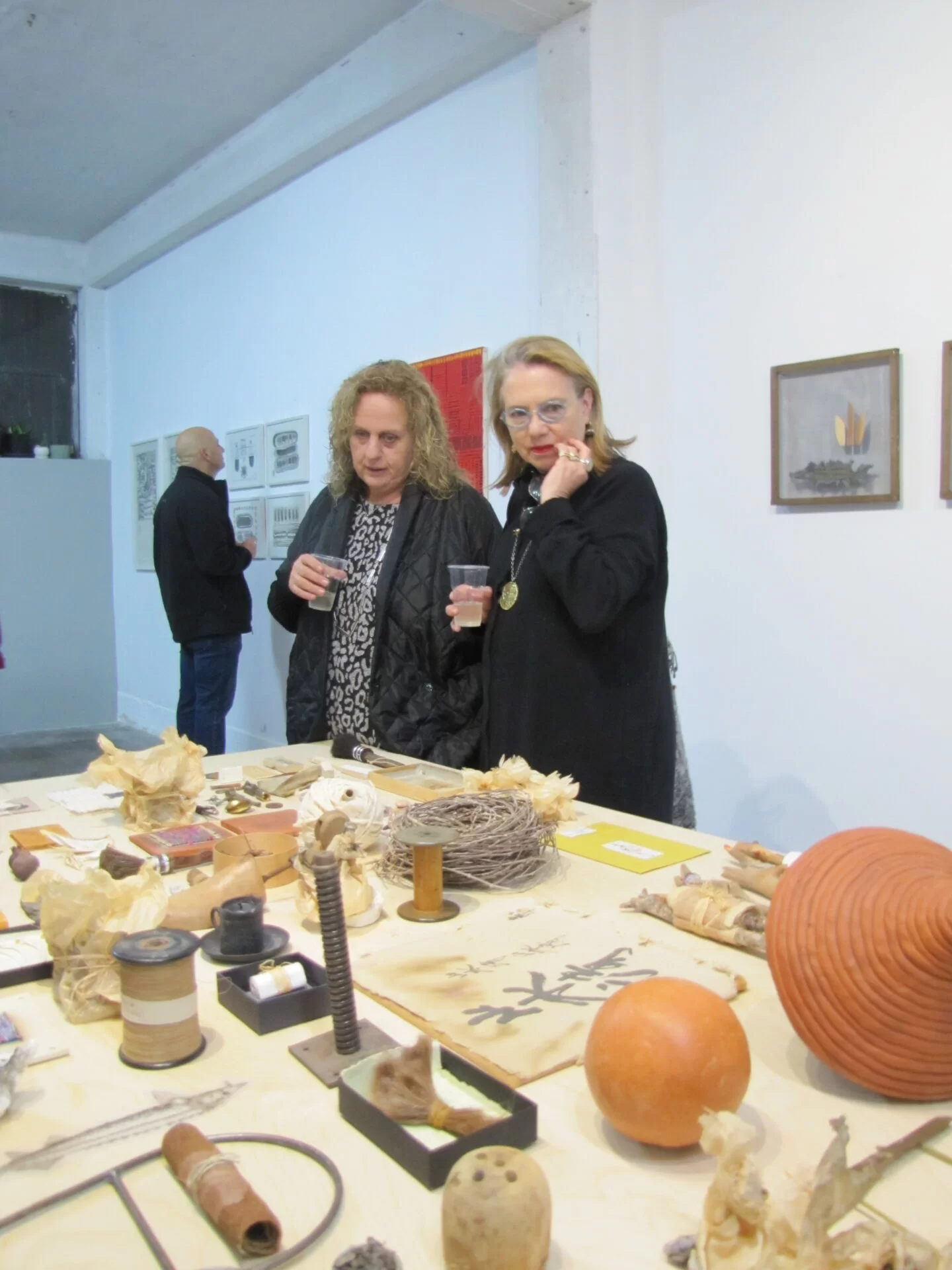
The closeness and attraction to Japan can also be seen in two small and incredibly delicate colored embroidery works of two geishas (based on 17th-century Japanese woodcuts), embroidered on a bed of black paper. Alongside these works, a series of three-dimensional masks are impregnated on an iron pedestal and made from organic and industrial ‘ready-made’ parts. This series of masks, completes the display on the main table on which lies a lot of loot, and hints at encounters with different cultures on the journey and made in a humorous, expressive and empathetic and affectionate way for fantastic legends and travel stories, in which there is always a core of truth.
curator: Vera Pilpoul